Annual Report 2026 | Santa Monica College





Ten years in, I still find myself pausing to listen to our students when they work. I notice the questions they ask each other, the way they push back on assumptions, and most importantly the genuine care they bring to understanding the people they're designing for.
This year our tenth cohort became the first to move through our new course, Ethnographic Research Methods for Designers. Watching students step into neighborhoods, into real conversations, and bring that understanding back into their design process was exactly what we hoped for. It reflects something our program has always believed: good design begins with genuinely knowing people.
That belief showed up in this year's senior industry partnerships. Working with Gamestop, students explored what it means to design for play across physical and digital spaces.
With OpenSeed meditation pod company, they took on the quieter challenge of designing for stillness, asking how a space can support a person's need for light and inner quiet wherever life takes them.
What stays with me, as it does every year, is how openly and thoughtfully our students show up. They want their work to mean something. Together, we're building a community of designers who understand that going out into the world to understand how people play, rest, and connect is the foundation of good design, not a detour from it.
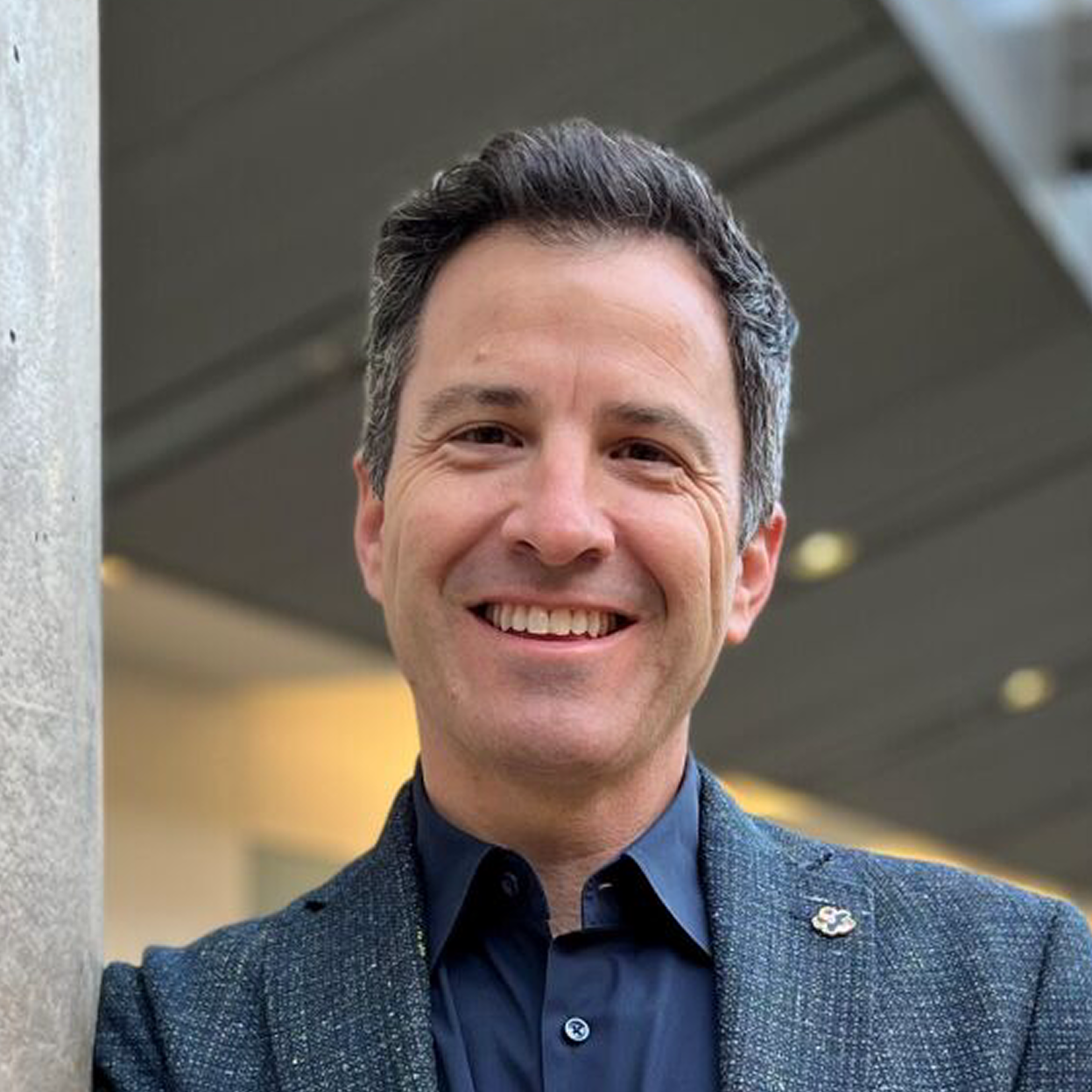
Nicole Chan
Faculty Lead, SMC
B.S. Interaction Design program
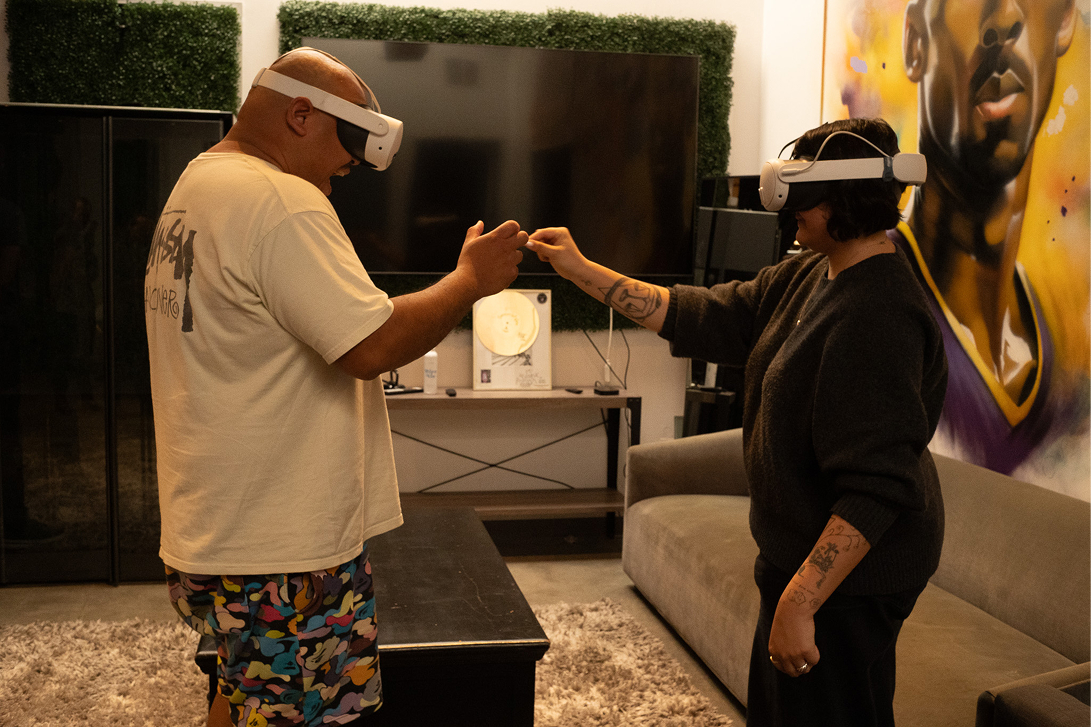
Founded in Fall 2016, the SMC Bachelor of Science, Interaction Design (IxD) program welcomed its tenth cohort this year, continuing a thoughtfully designed, cohort-based model that prioritizes connection, collaboration, and shared momentum. Students move through the core curriculum together, forming close-knit relationships while building skills for creative, technology-driven careers in product design, experience design, and creative technology.
The full four-year program costs around $10K, keeping world-class design education within reach.
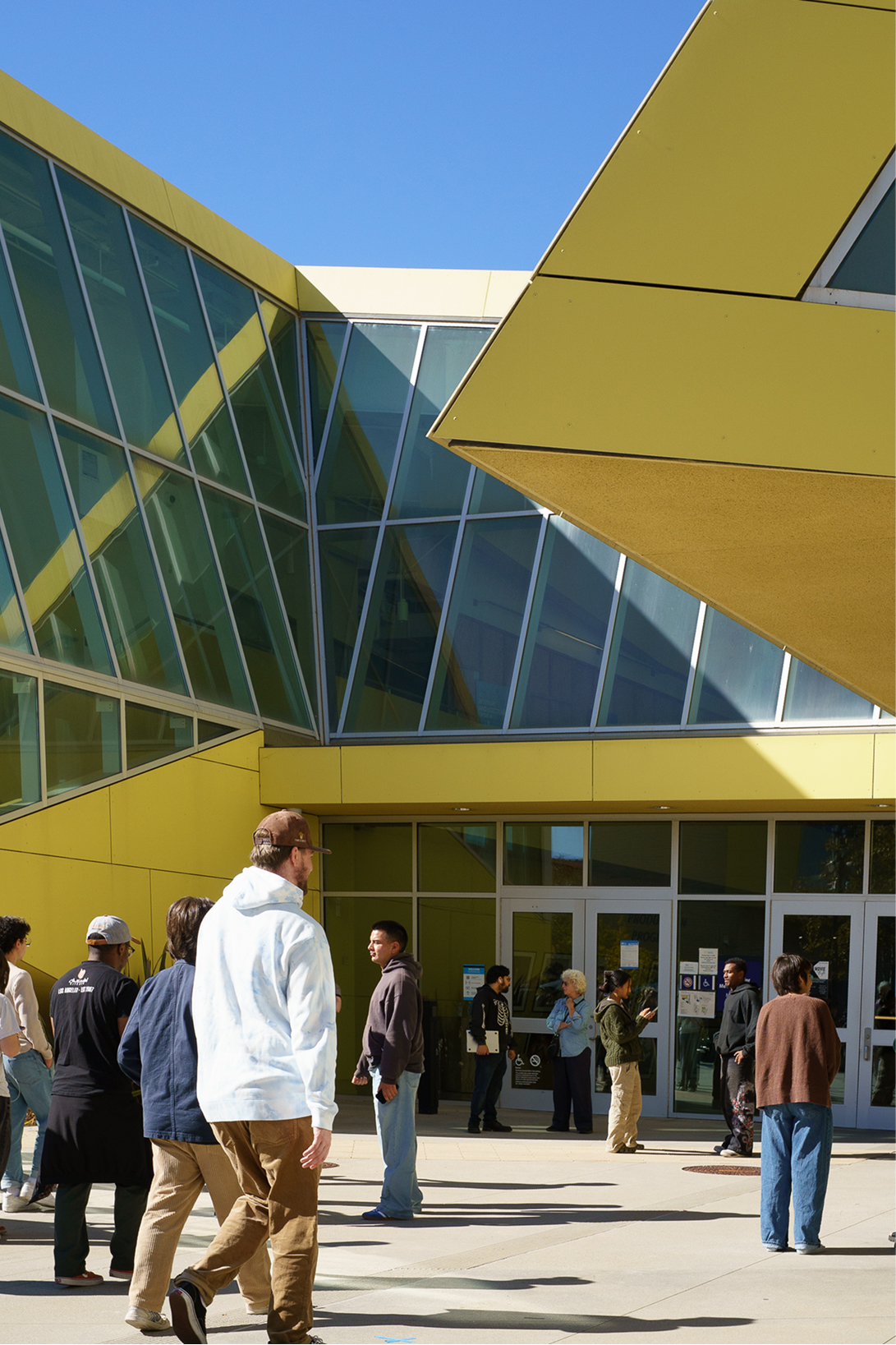
The program is intentionally in-person, with core studio courses held just two days a week. This structure creates space for deep collaboration, critique, and hands-on learning, while making the program accessible for commuting students. Based at SMC’s Center for Media and Design (CMD) campus in the heart of Silicon Beach, we are surrounded by creative and tech industries, grounding classroom learning in real-world context through industry partnerships, mentorship, and professional feedback, with the CMD campus conveniently located next to Bergamot Station on the Metro E Line.
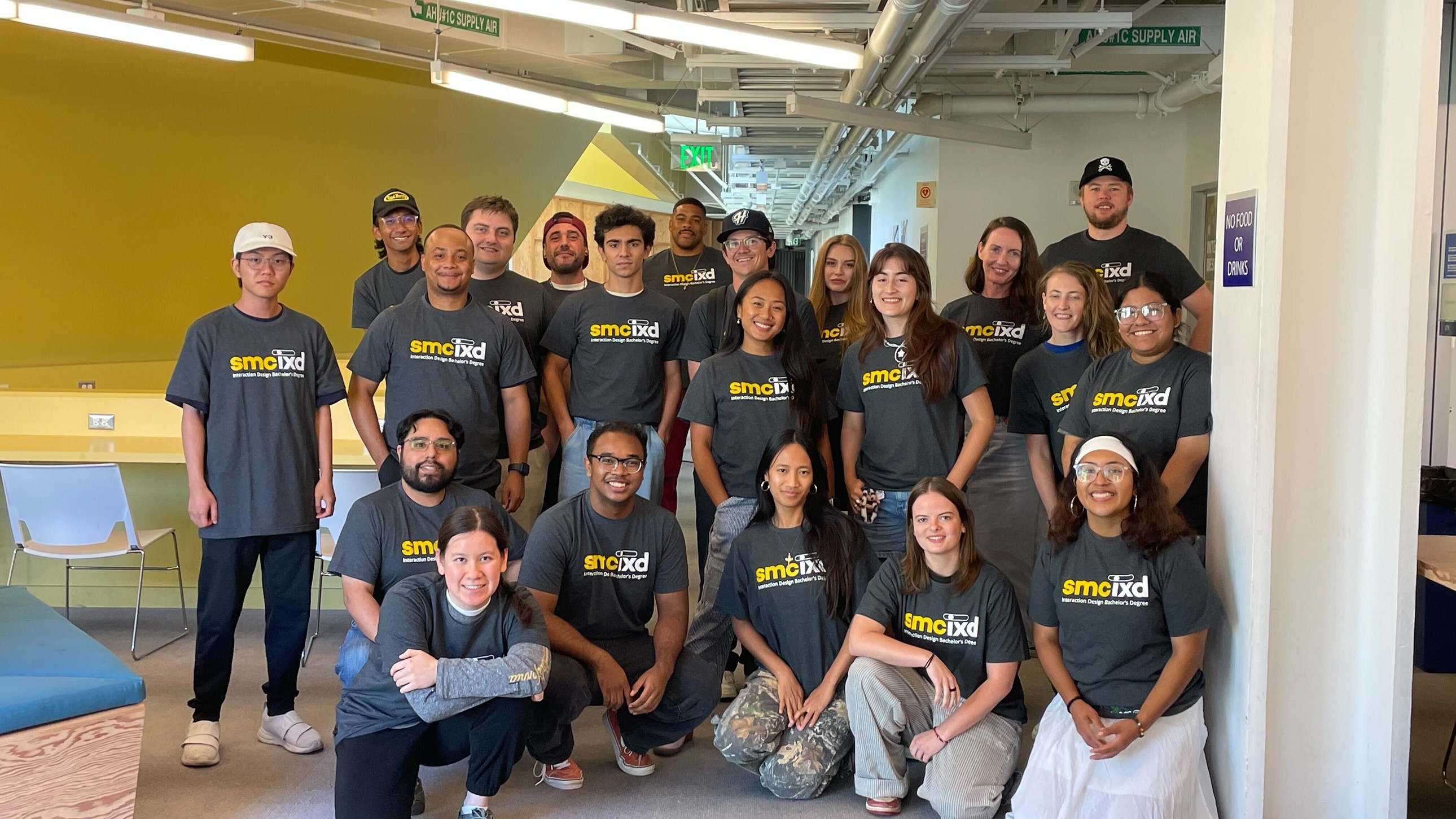
Diverse. Ambitious. Collaborative. Our students bring varied backgrounds, perspectives, and experiences to a tight-knit program built on teamwork and human-centered design.
March 27, 2025
Seven SMC IxD students and alumni participated in the six-week BMW Designworks x LA-Tech Rising Internship, reimagining Los Angeles as a network of future mobility hubs for the 2028 Olympics.
June 16, 2025
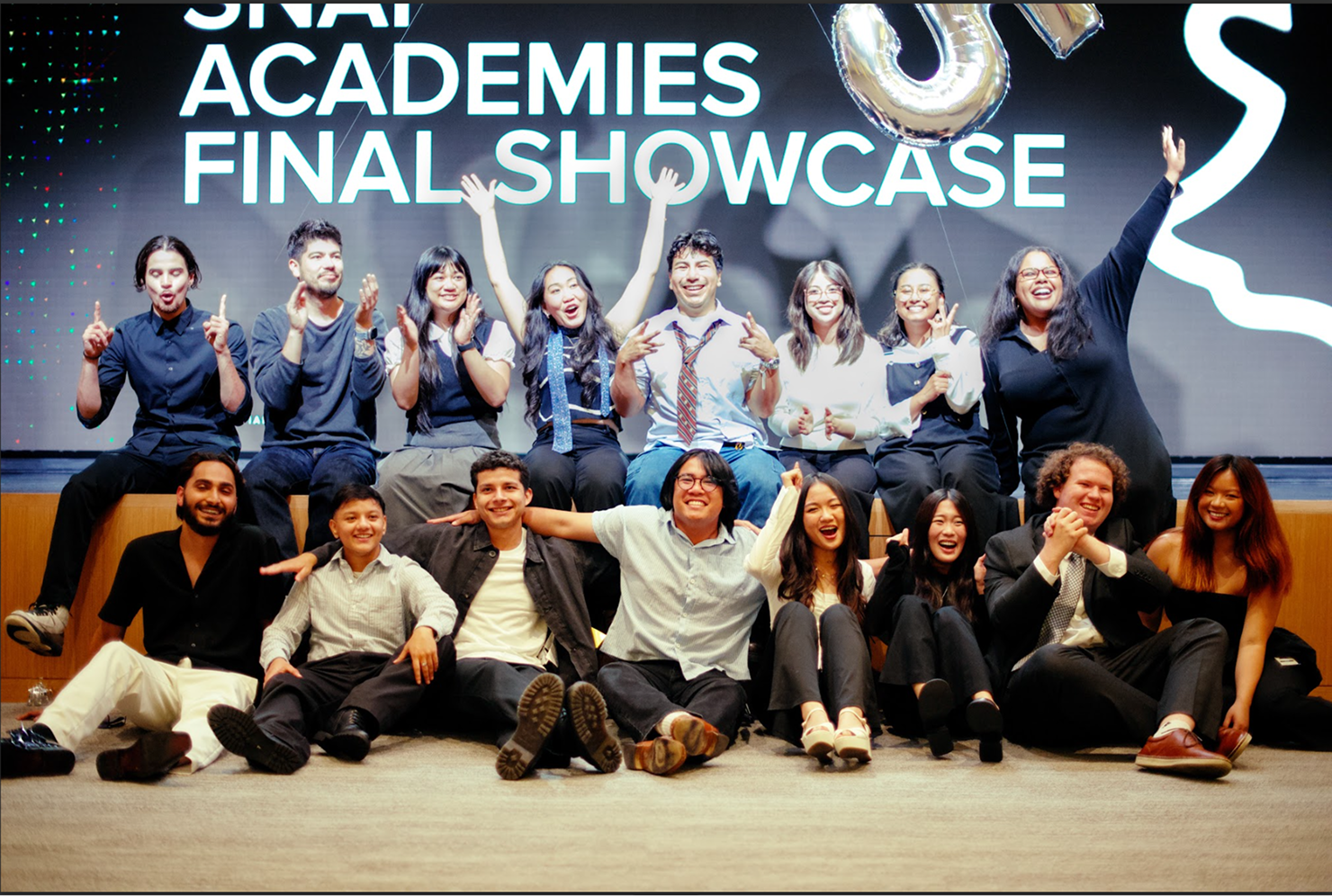
Three IxD students (Fernando Herrera, Jonathan Lopez, and Uyen Tran) were selected for Snapchat’s Design Academy, where they explored high-fidelity visual storytelling, UI/UX, and brand identity.
August 28, 2025
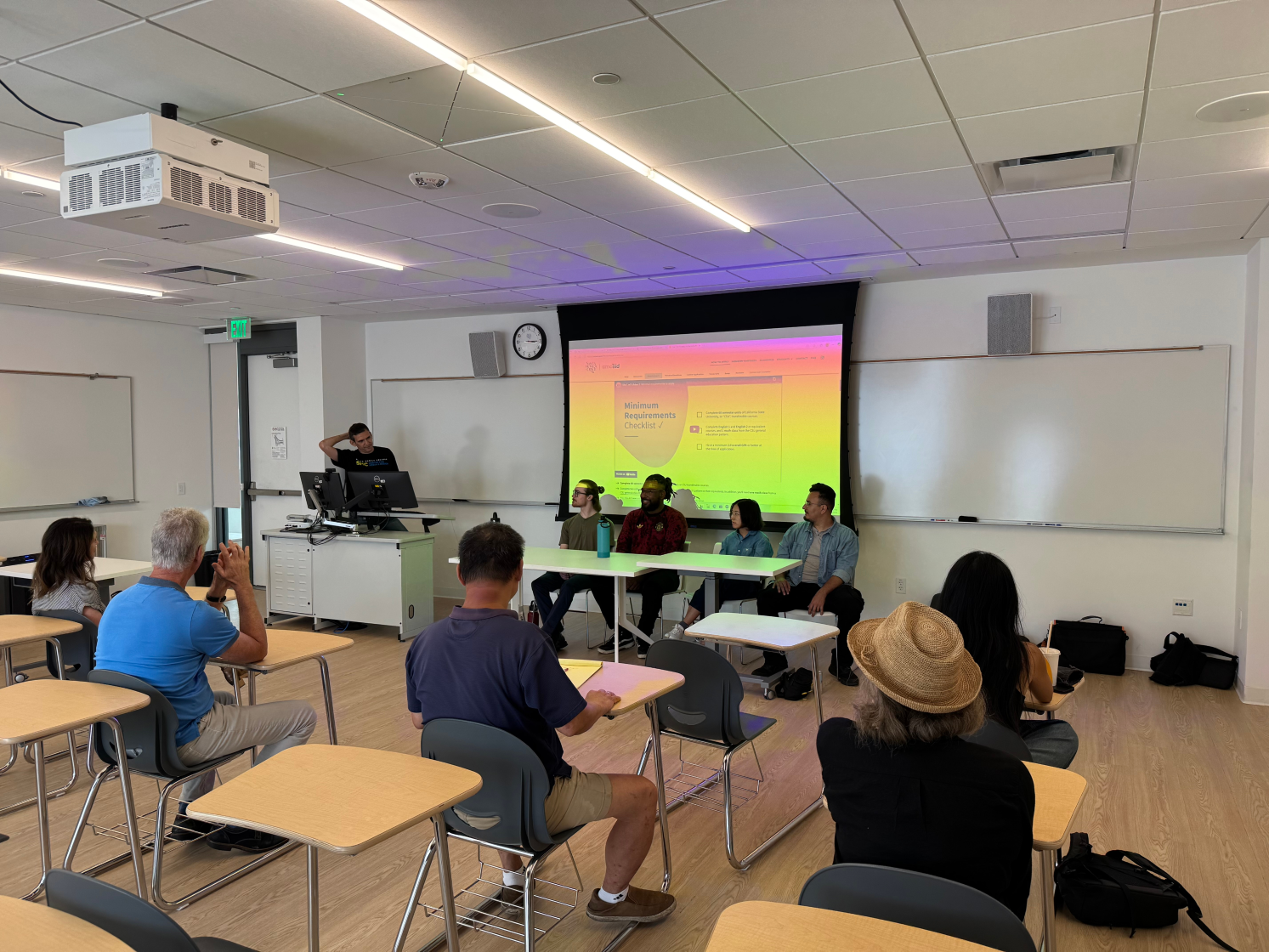
Alumni and current students were featured at the Fall Professional Development Day, SMC’s back-to-school kickoff event. Di Xu and Christian Enriquez (Class of ‘21) and current students Marcus Thomas and Alexander Johnson shared how the program has shaped their careers as well as discussed the programs' diverse professional pathways.
August 29, 2025
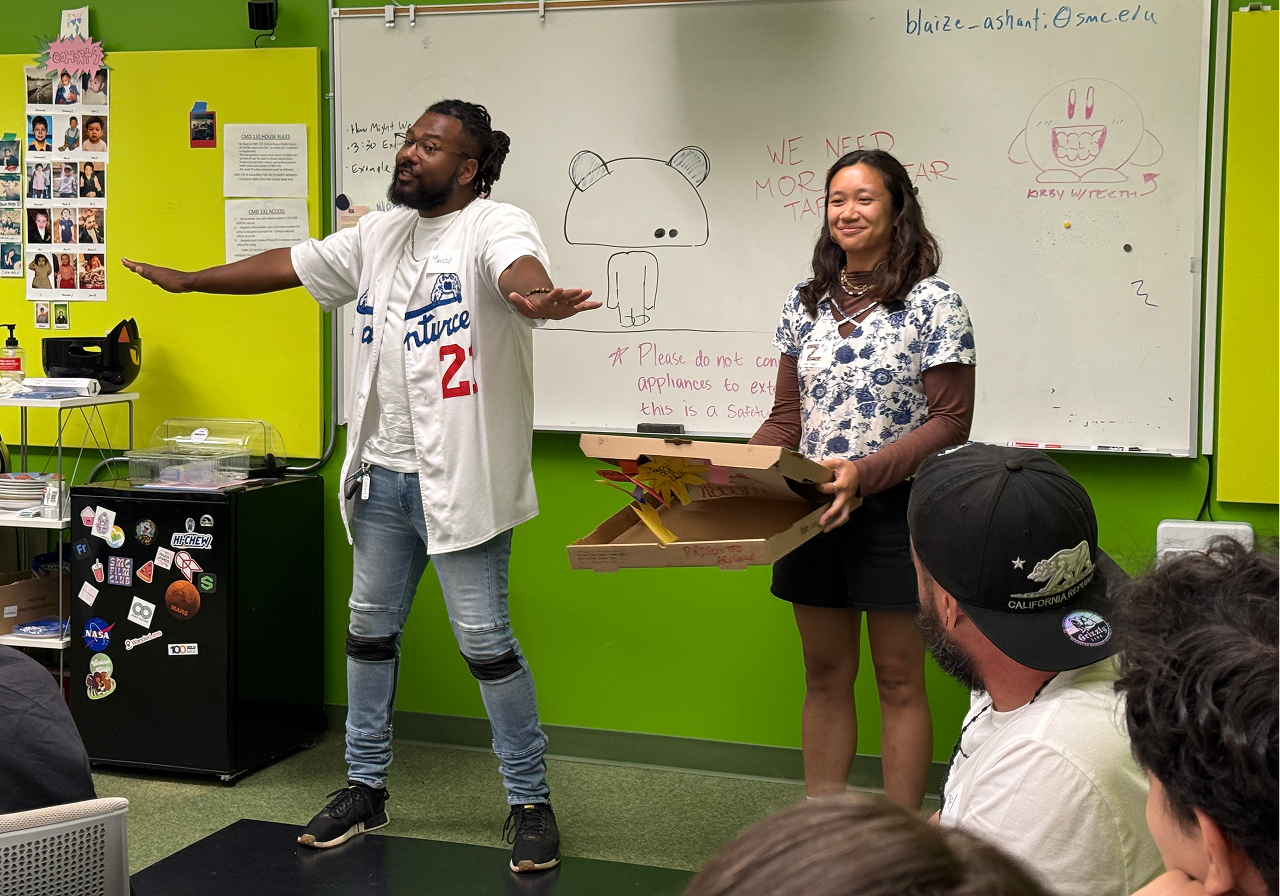
The IxD Fall Kickoff welcomed Cohort 10 with a community-wide event featuring board members, faculty, and program leadership, along with a surprise visit from recent alumni. A collaborative design challenge led by Professor Maxim Safioulline paired juniors with seniors, sparking imaginative and playfully dystopian concepts exploring future relationships with technology.
October 14, 2025
IxD alum Will Gamez led a “Design Your Career” workshop for Cohort 10, guiding juniors in shaping their professional direction. Through alumni insights and practical frameworks, students developed personalized elevator pitches to support their path toward career success.
September - November 2025
During Fall 2025, IxD students partnered with GameStop on a real-world industry project, developing concepts that bridge physical and digital experiences to grow the trading card community. Through end-to-end design work, students delivered research-driven, launch-ready prototypes grounded in both user needs and business impact.
September - December 2025
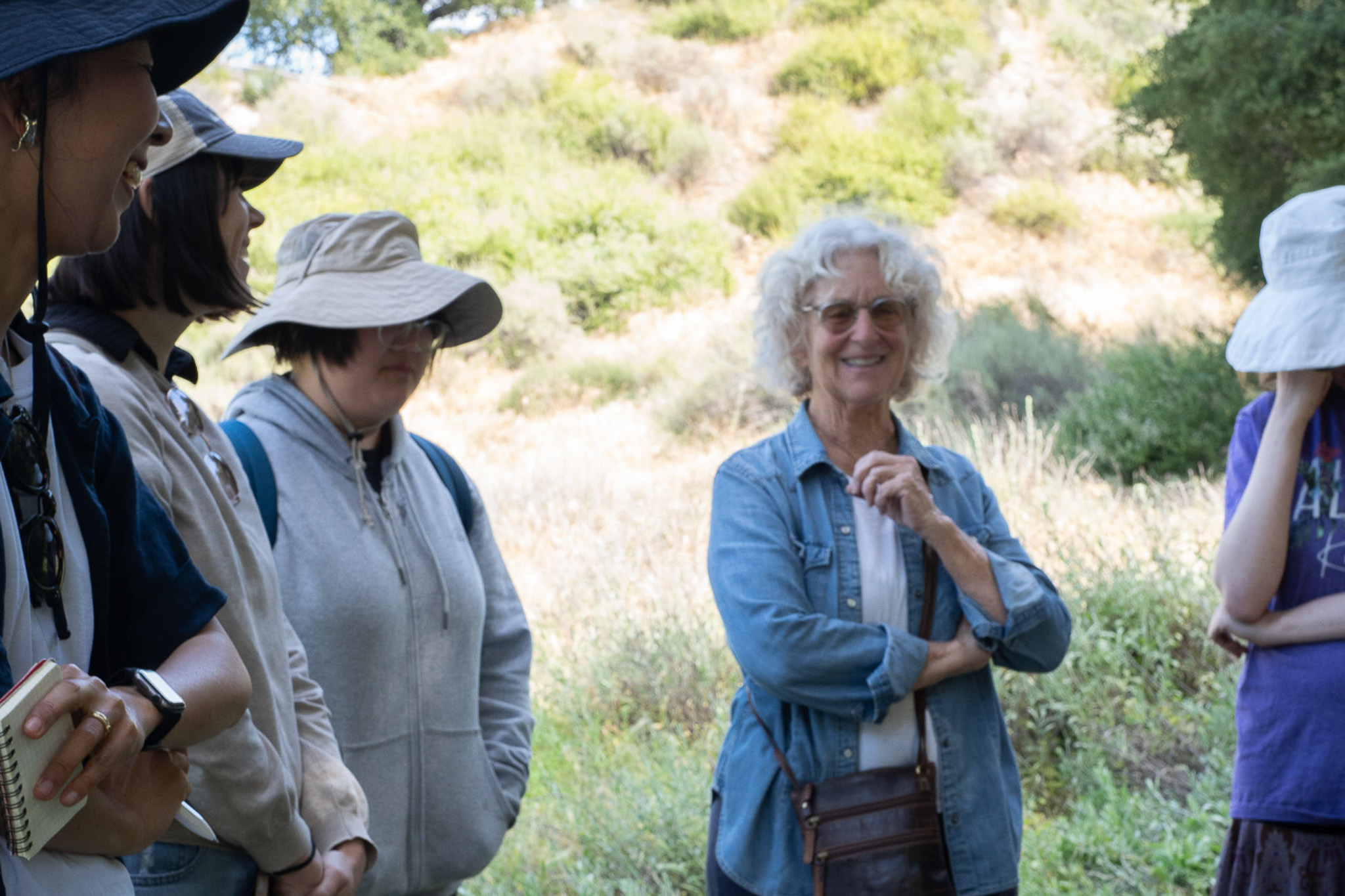
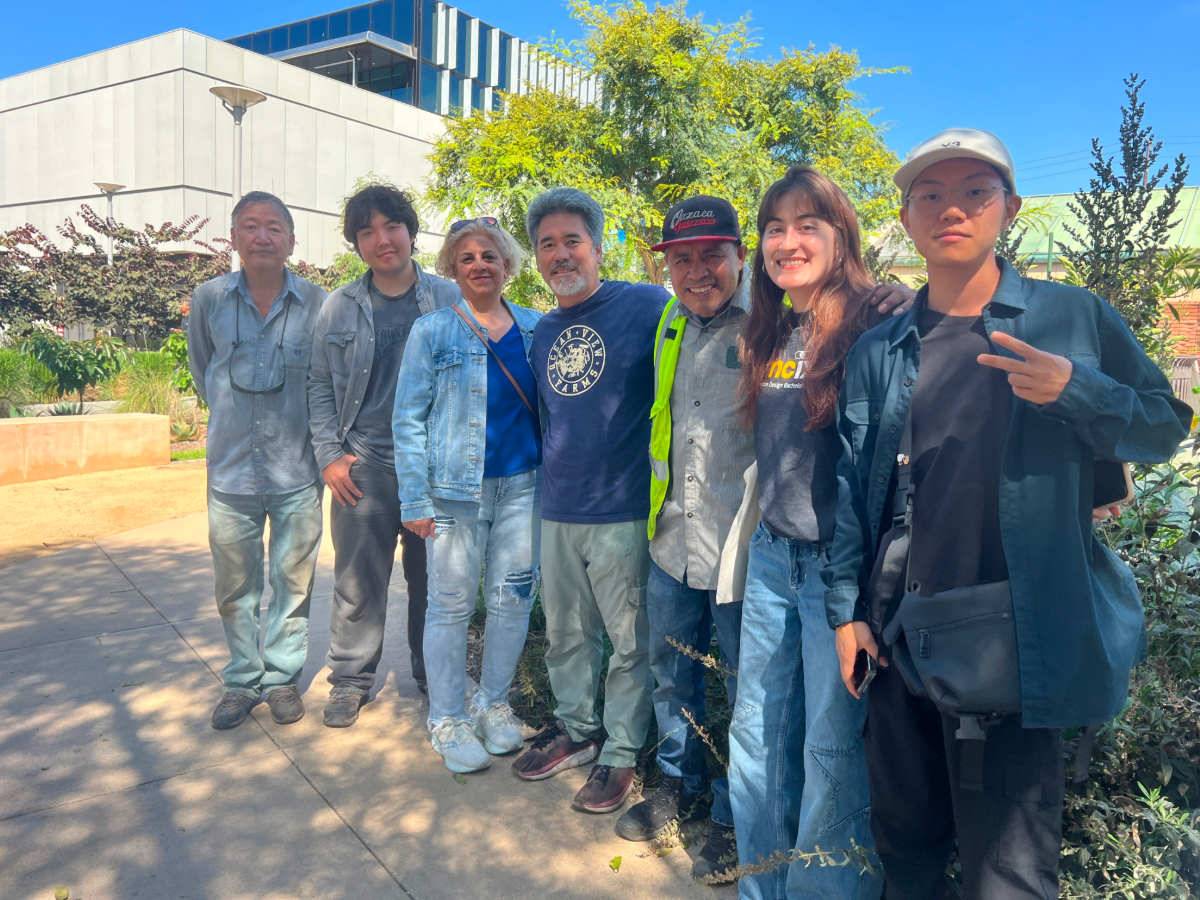
In a new Anthropology course, IxD students explored designing third spaces across SMC’s main campus, including the Organic Learning Garden, the Cayton Center, and shared campus areas. Using ethnographic research methods, they investigated student needs to inform thoughtful, human-centered design concepts.
December 11, 2025
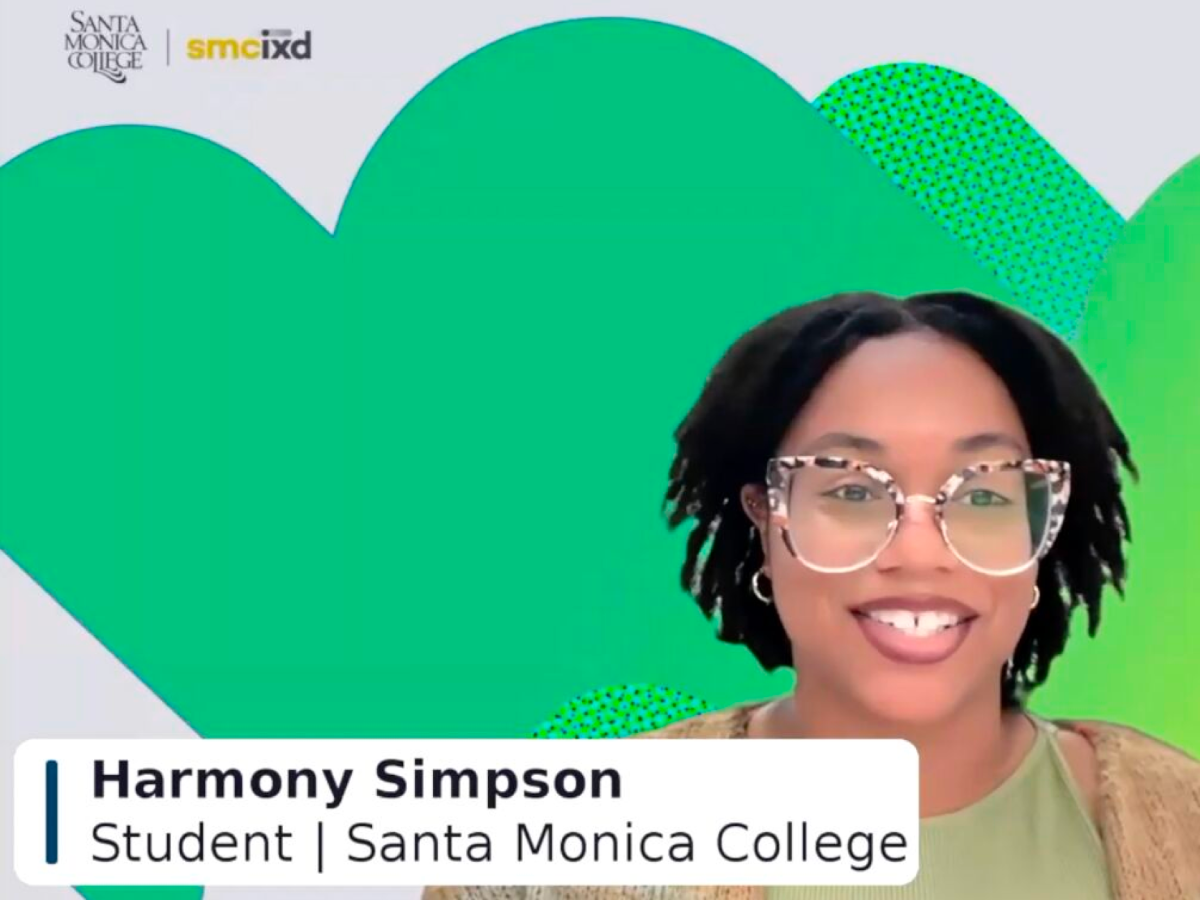
IxD senior Harmony Simpson represented student voices on an EdSource roundtable discussing the evolving value of higher education in California. As the sole student panelist, she shared how SMC supported her journey in turning creativity into a career.
December 16, 2025
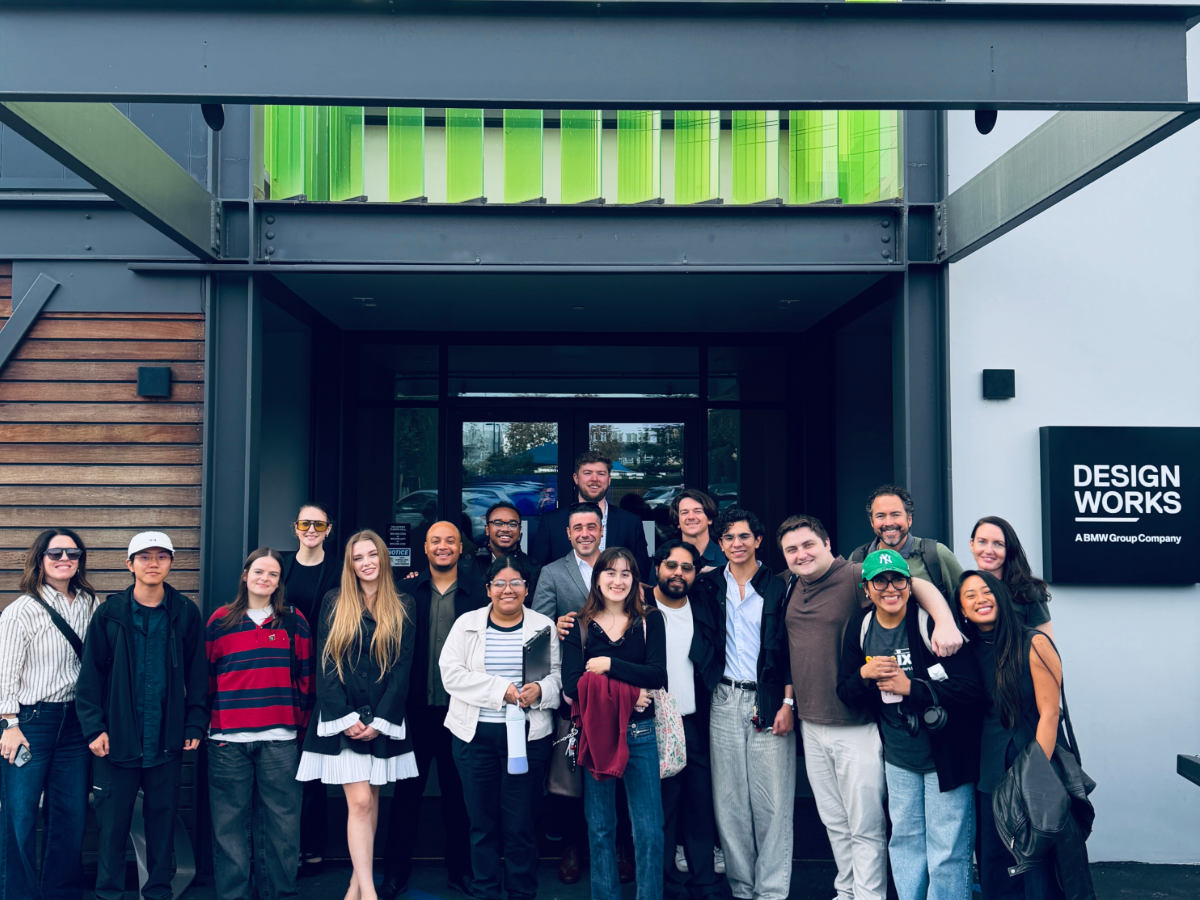
Junior IxD students presented their Studio 1 projects at BMW Designworks, tackling real-world mobility challenges across Los Angeles. Their solutions, which spanned app and AR experiences, focused on accessibility, safety, and user-centered design, marking a strong first milestone in their interaction design journey.

February 23, 2026
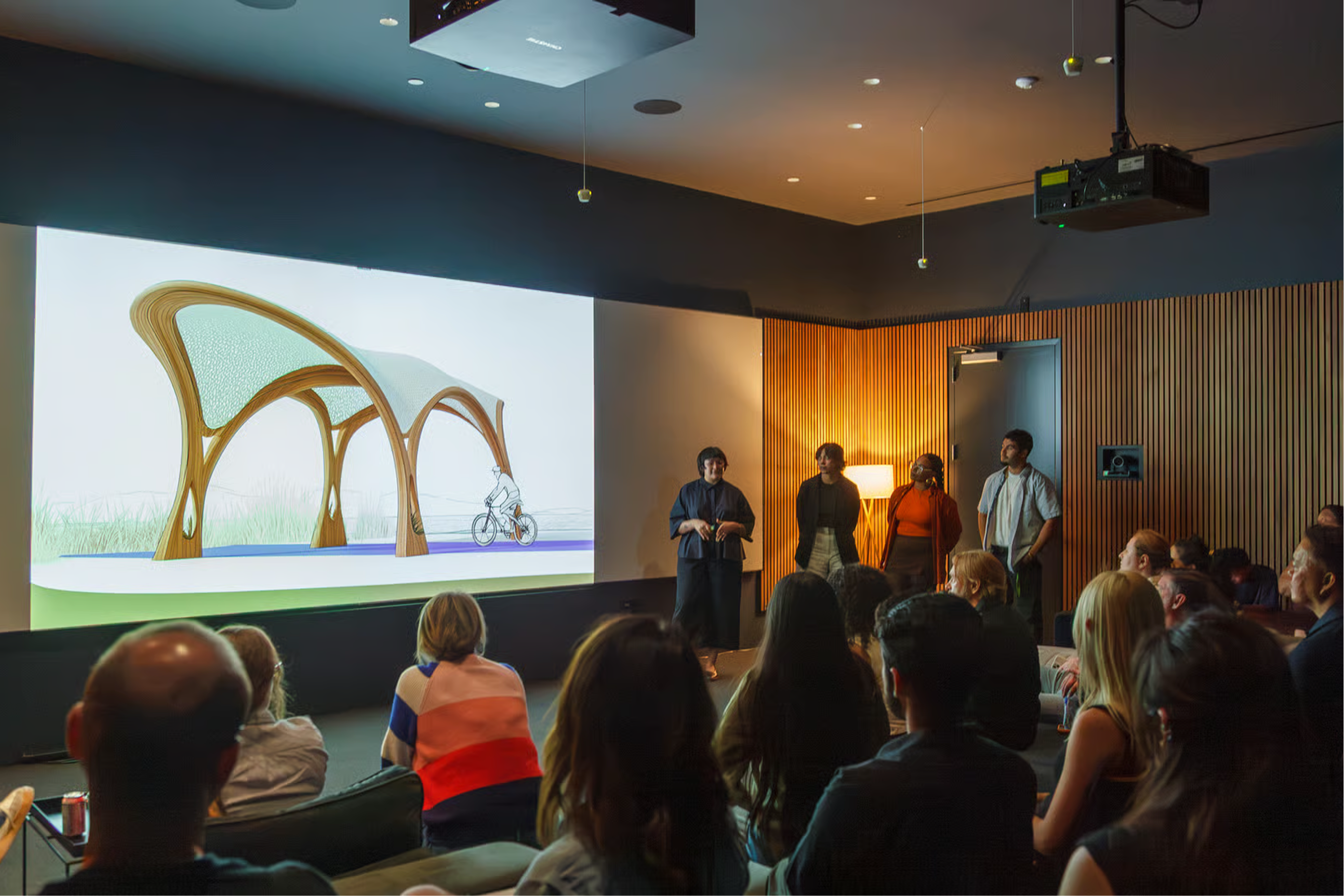
Spring semester kicked off with a studio conversation led by CNN Product Designer Christian Eckels, exploring AI not as a tool for speed, but as a space for developing design judgment. Students engaged in hands-on prompting exercises and critical discussions about AI’s evolving role in shaping their value as designers.
February 23, 2026
Media 20 was incorporated into the program, giving students hands-on experience in digital video and audio production. Students created short-form projects including personal promos, social media videos, and public service announcements, developing skills in writing, directing, sound design, and multimedia storytelling for real-world applications.
March 9, 2026
IxD students visited Digital Nation Entertainment, a Santa Monica mixed-reality studio creating holographic volumetric video and immersive AR/VR experiences. The tour gave students firsthand insight into how spatial media and immersive technology can transform design, inspiring new approaches to interactive and experiential storytelling.
March 27, 2026
IxD students Romell McKenzie and Sandi Piorek, alongside faculty Eric Minzenberg and Gillian Grebler, presented at the SWAA Anthropology Conference. They shared insights from the program’s first anthropology course, exploring SMC’s campus and community garden as “third spaces” through ethnographic design research.
April 6, 2026
Two graduating IxD seniors took the next step in their academic journeys. Aino Halonen was accepted to Harvard’s Master of Design Engineering program, while Oliver Litner will pursue a Master’s in Human-Computer Interaction at Carnegie Mellon University, continuing their work at the intersection of design, technology, and research.
April 30, 2026
A team of IxD seniors (Alexander, Fernando, Harmony, and Aino) earned 3rd place at RealityShift: XR Hackathon for Social Good. Their project examined the environmental and community impacts of AI data center placement across the U.S.
April 22, 2026
In partnership with OpenSeed, senior IxD students reimagined the end-to-end meditation pod experience across diverse environments. Addressing privacy and continuity without user data, teams developed human-centered service concepts through research, prototyping, and testing, integrating tablet UI, red light therapy, and Voice AI
May 12, 2026
Media Day brought together SMC’s IxD, Cosmetology, Fashion, and Media programs along with the Corsair News team to help IxD students step into their professional identities with confidence. From professional styling and headshots to on-camera interviews, our juniors had the opportunity to develop and present their professional voices as emerging designers.
June 8 + 11, 2026
IxD seniors participated in the 2026 CMD Student Showcase, a cross-disciplinary event highlighting student innovation across the Center for Media and Design. The showcase gave students the opportunity to present UX/UI, gaming, and experience design projects and gain professional exposure to industry and community audiences.
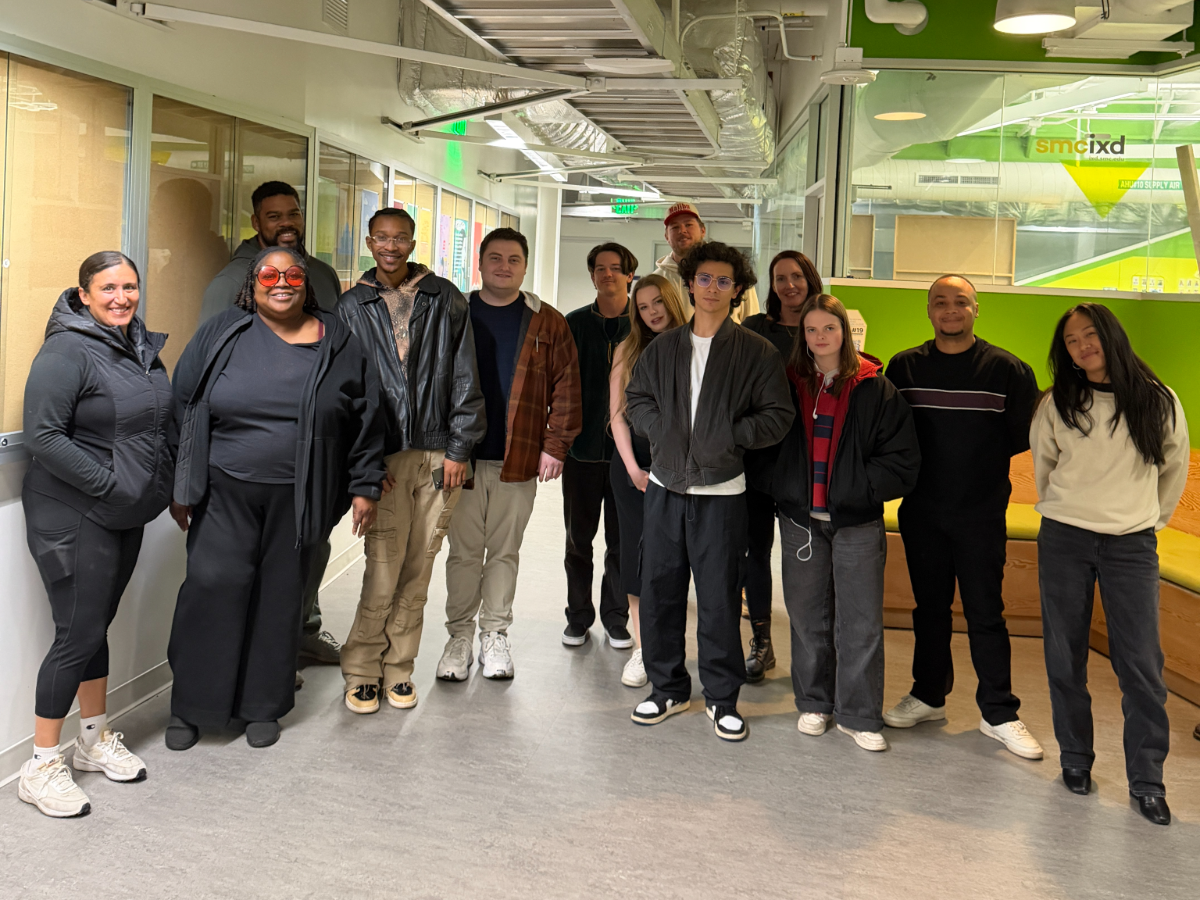
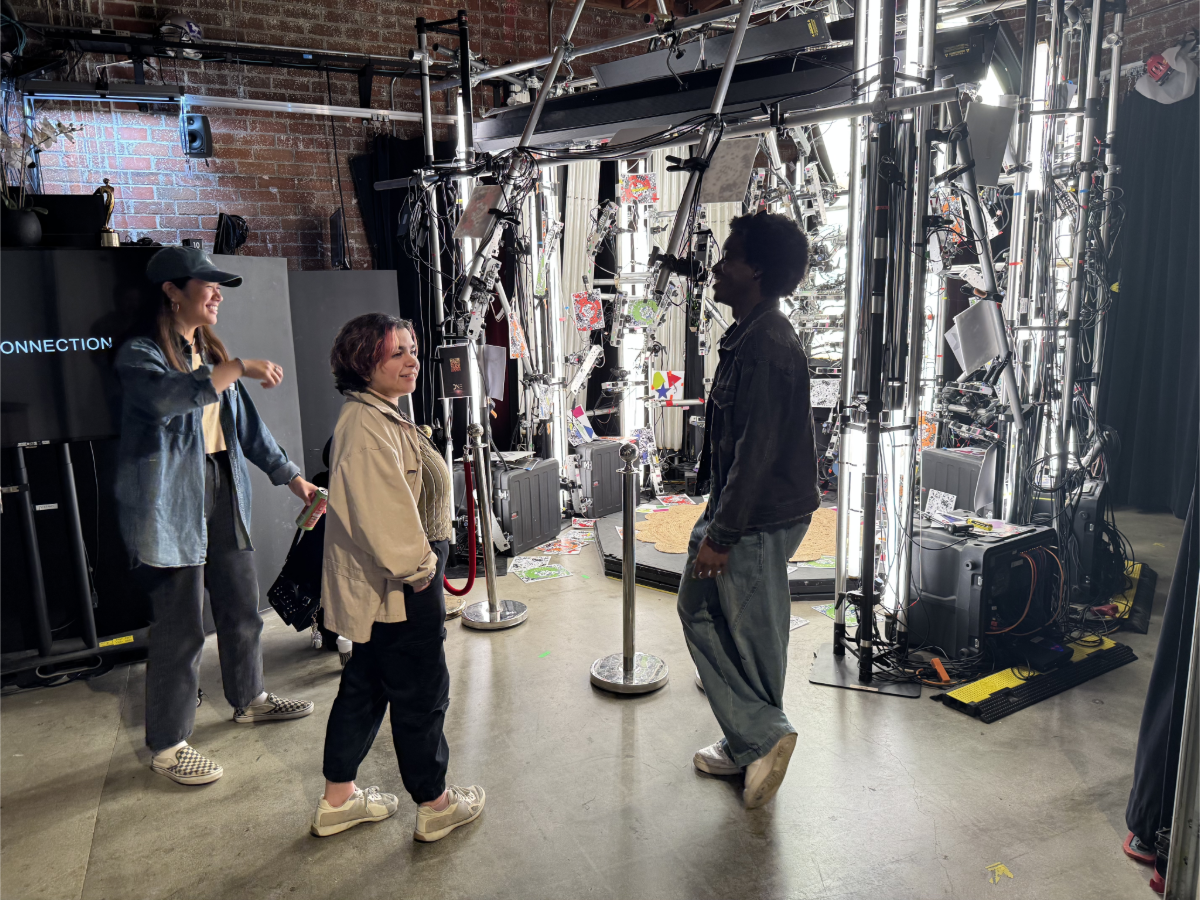
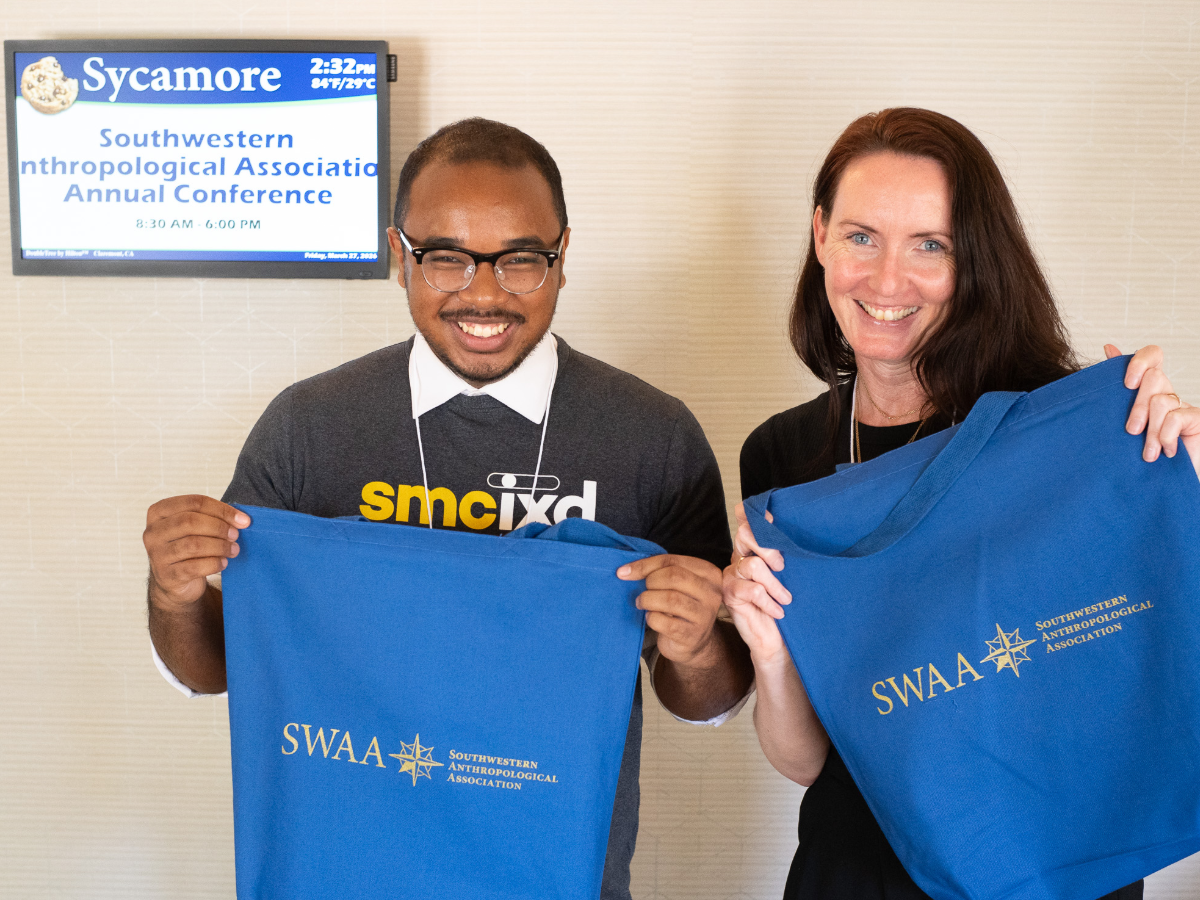
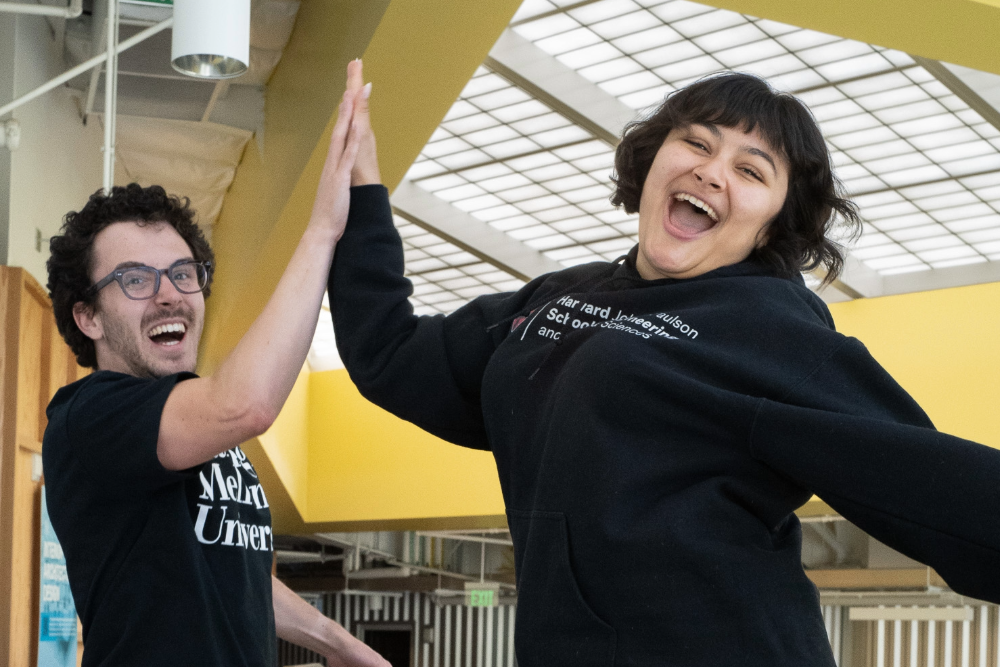
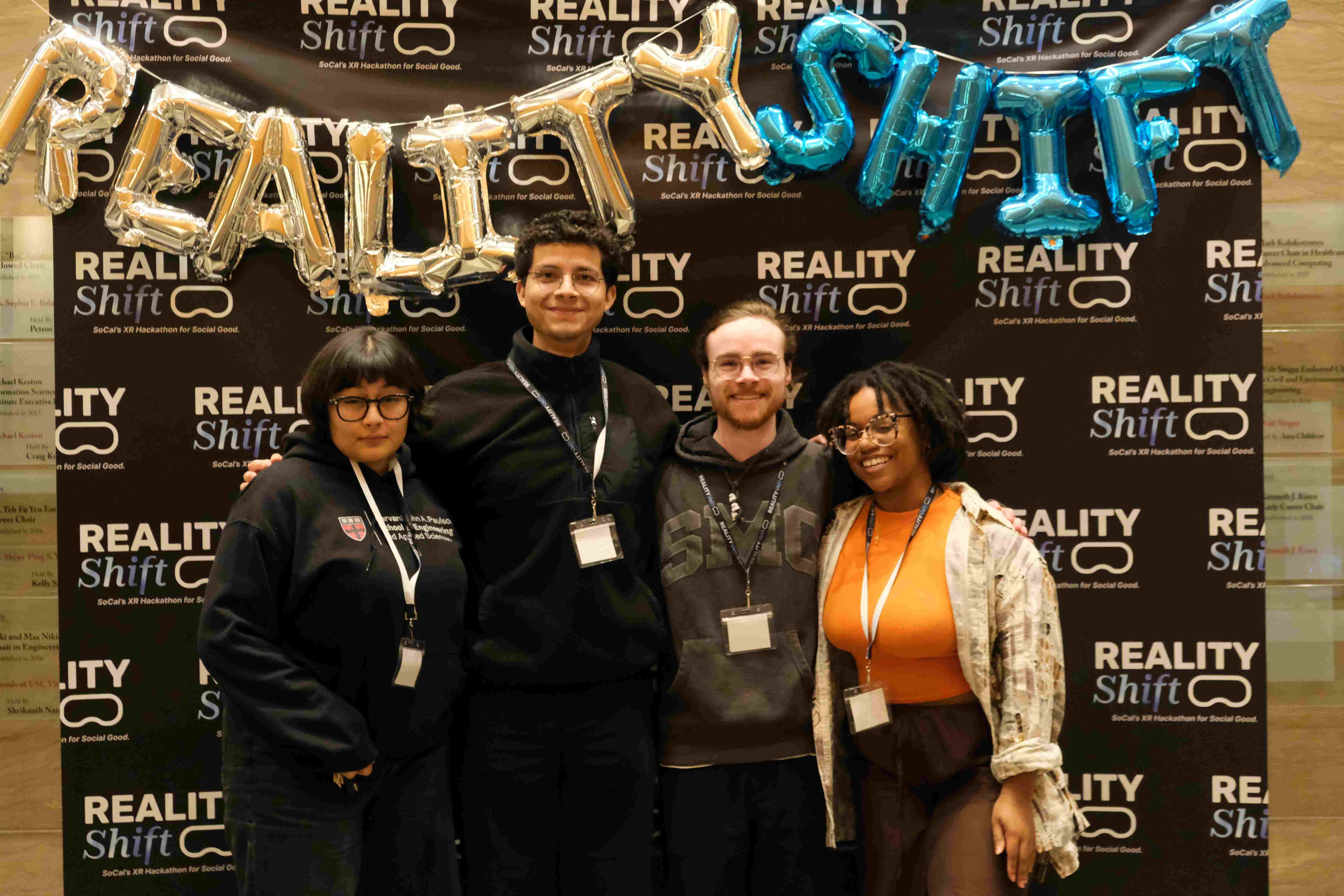
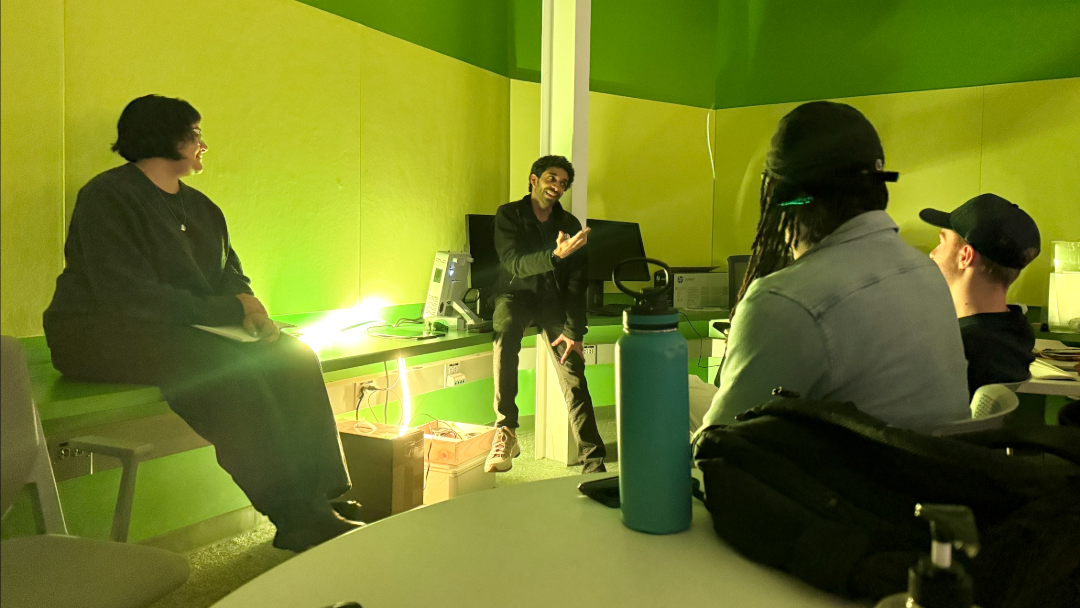
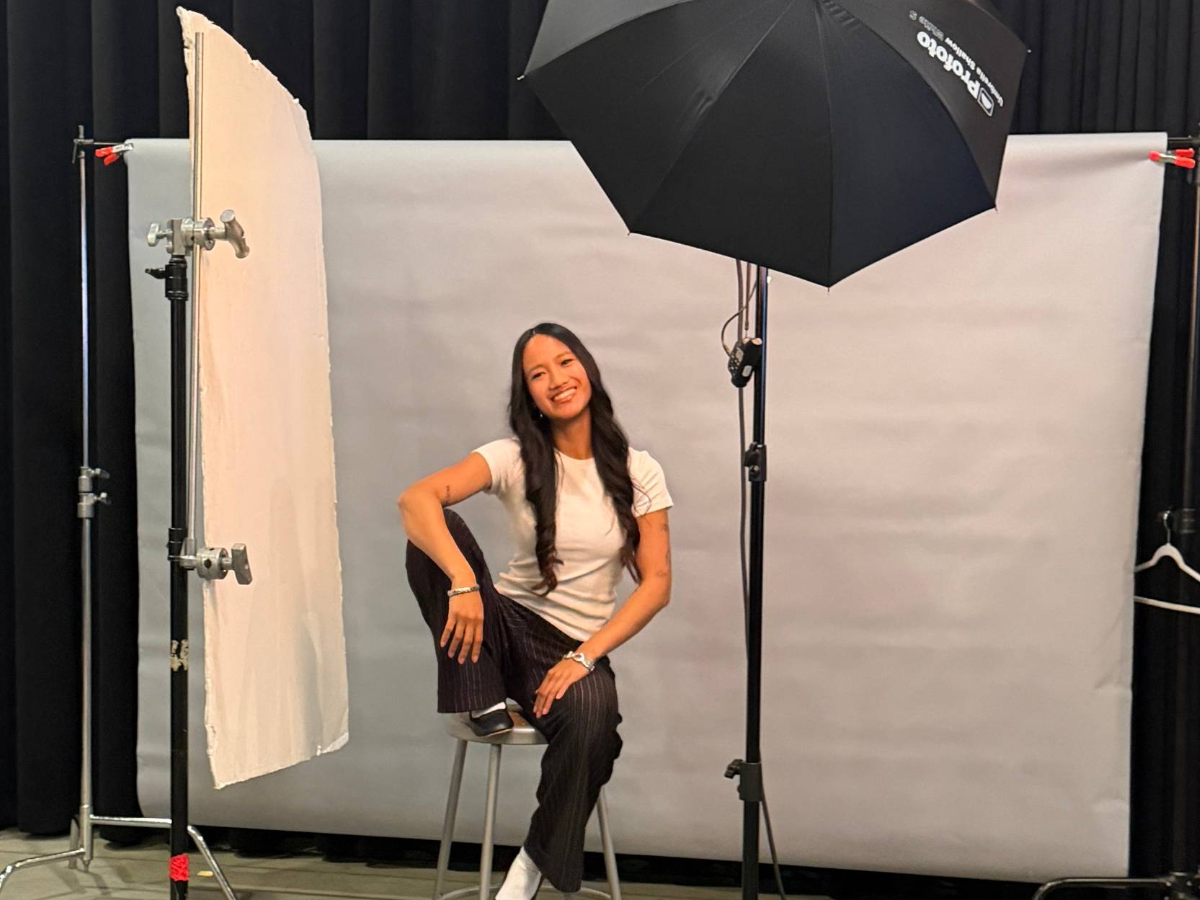
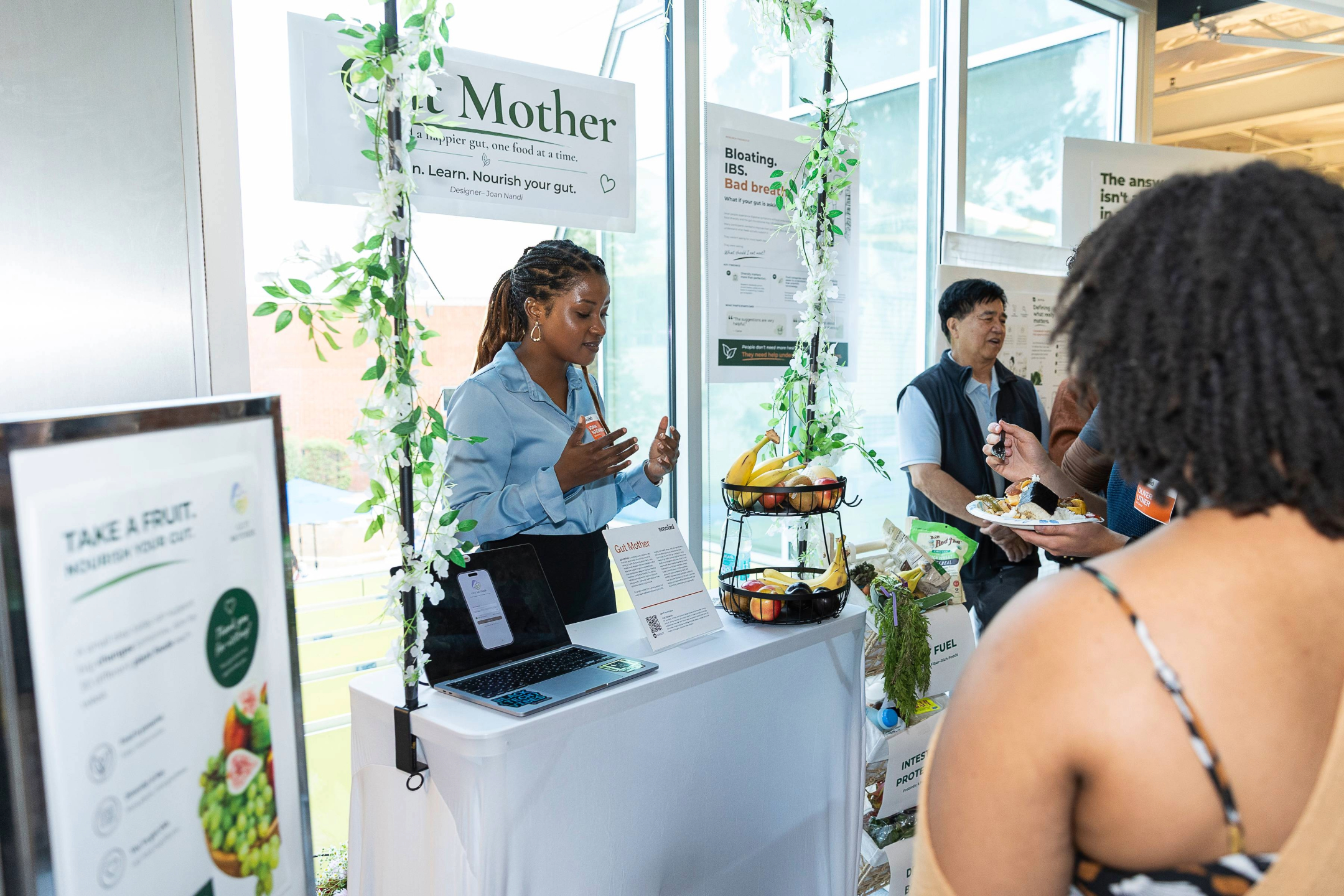
As we moved through the year, students designed new ways to play, listen, and engage with the world. Watch some of the moments and projects we captured along the way.
Our design students bring care, curiosity, and intention to everything they create. Connect with them to learn more about their work, experiences, and design philosophies.

Inspired by information designer Giorgia Lupi, this data visualization offers a human-centered view of our cohorts and showcases skills students develop in creative coding and data storytelling.
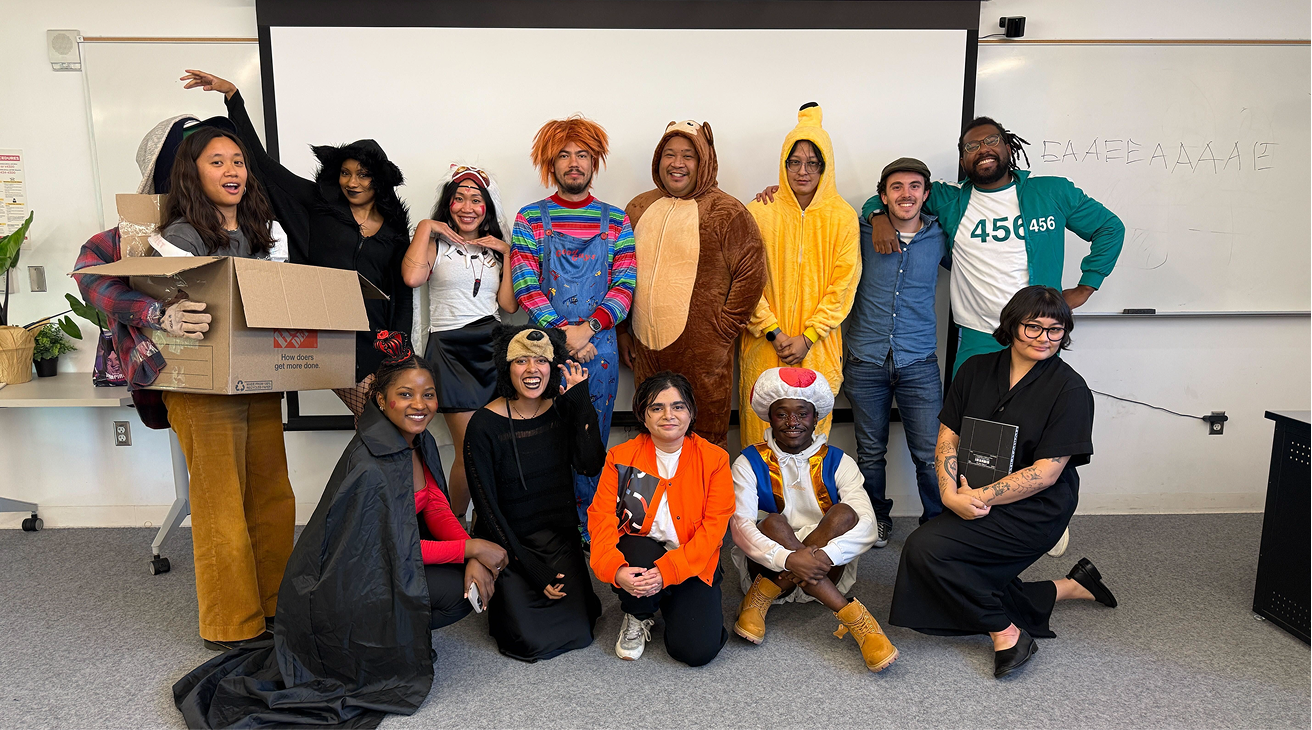
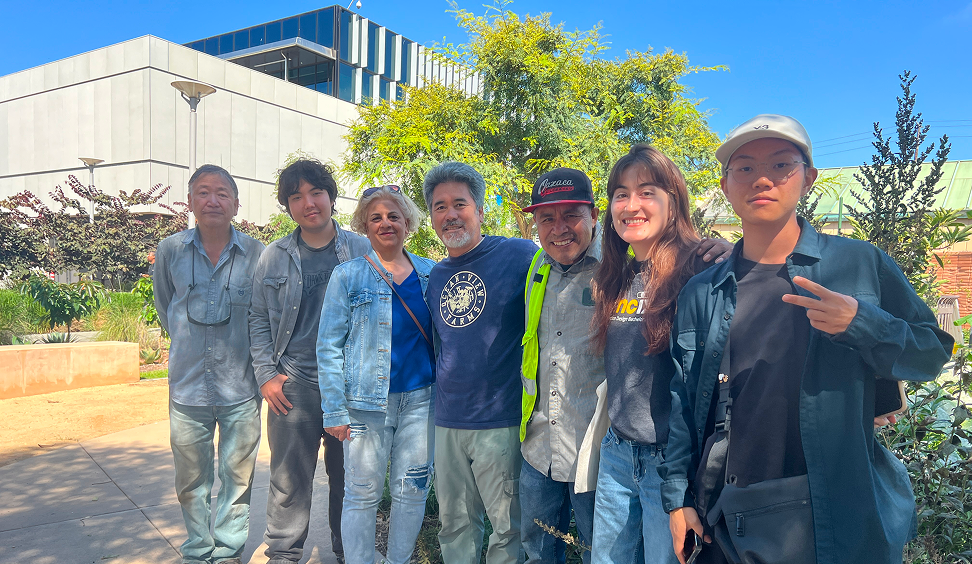
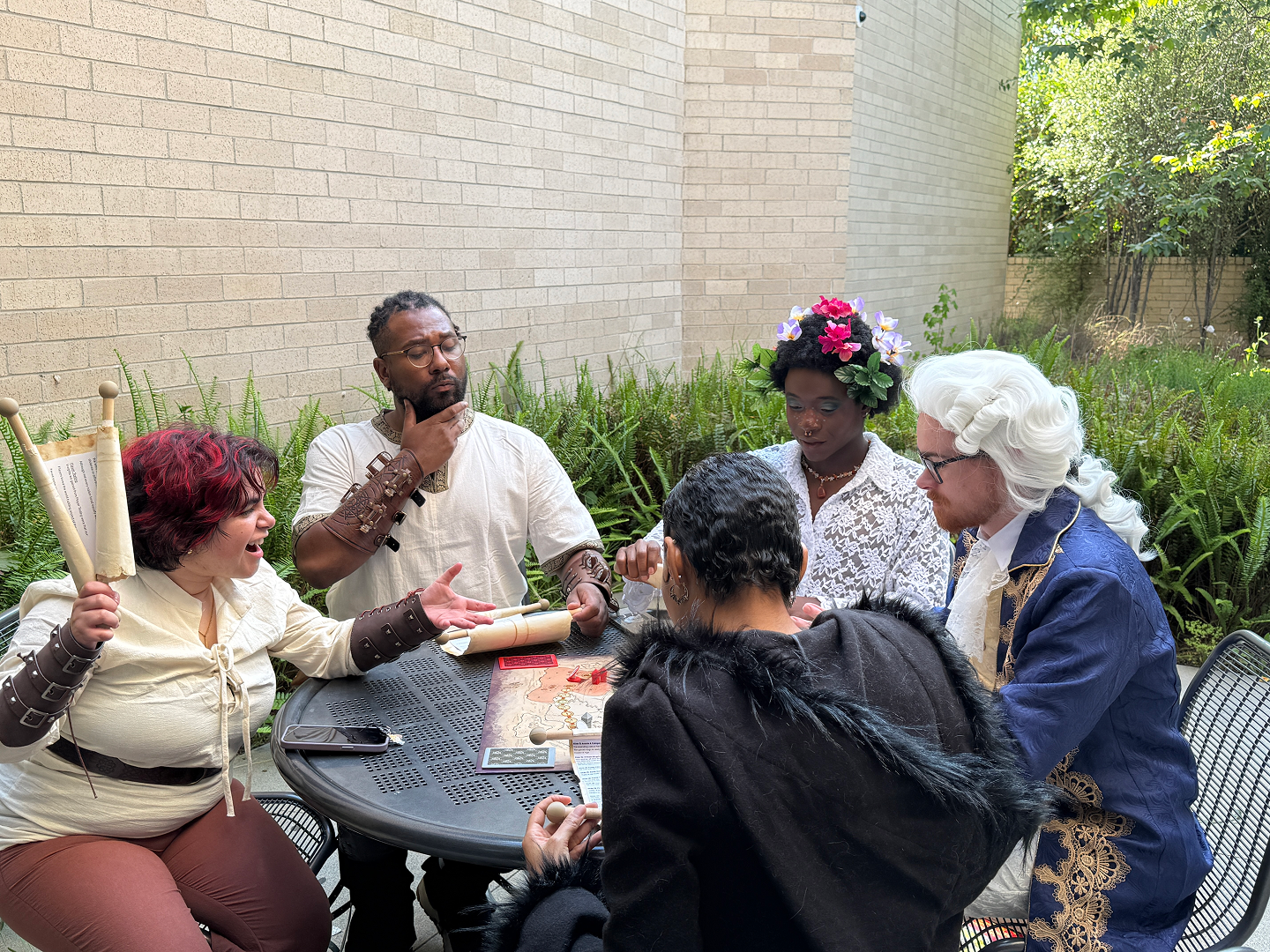
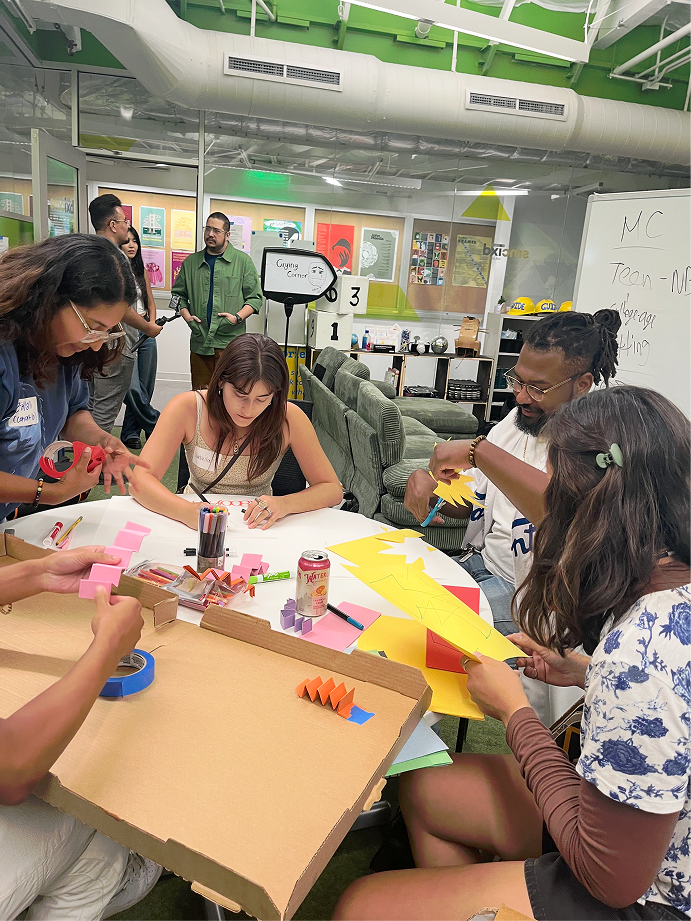
Our students are serious about design and not afraid to have fun. This collection offers a visual snapshot of the energy, creativity, and collaboration that define the IxD experience this year.

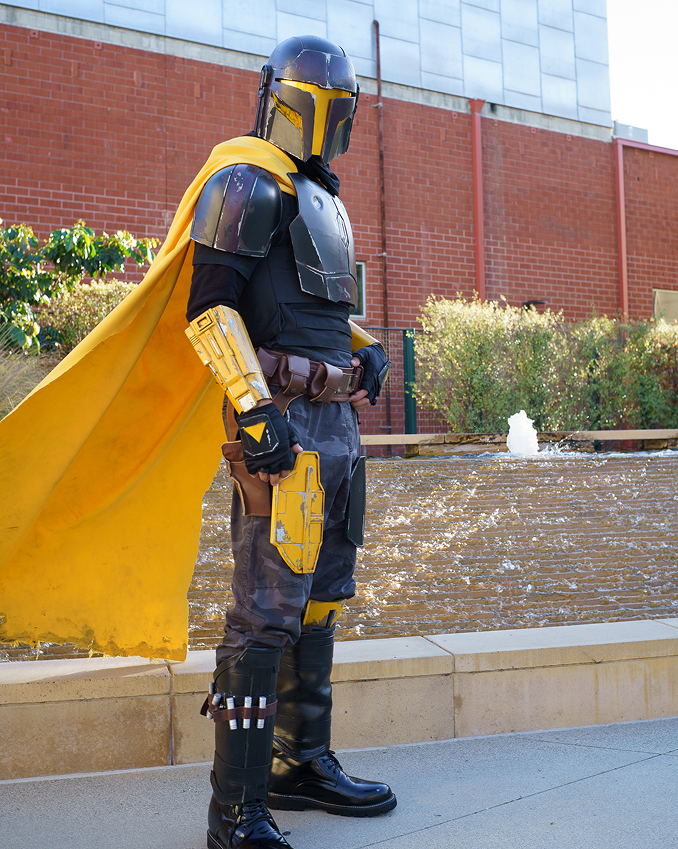
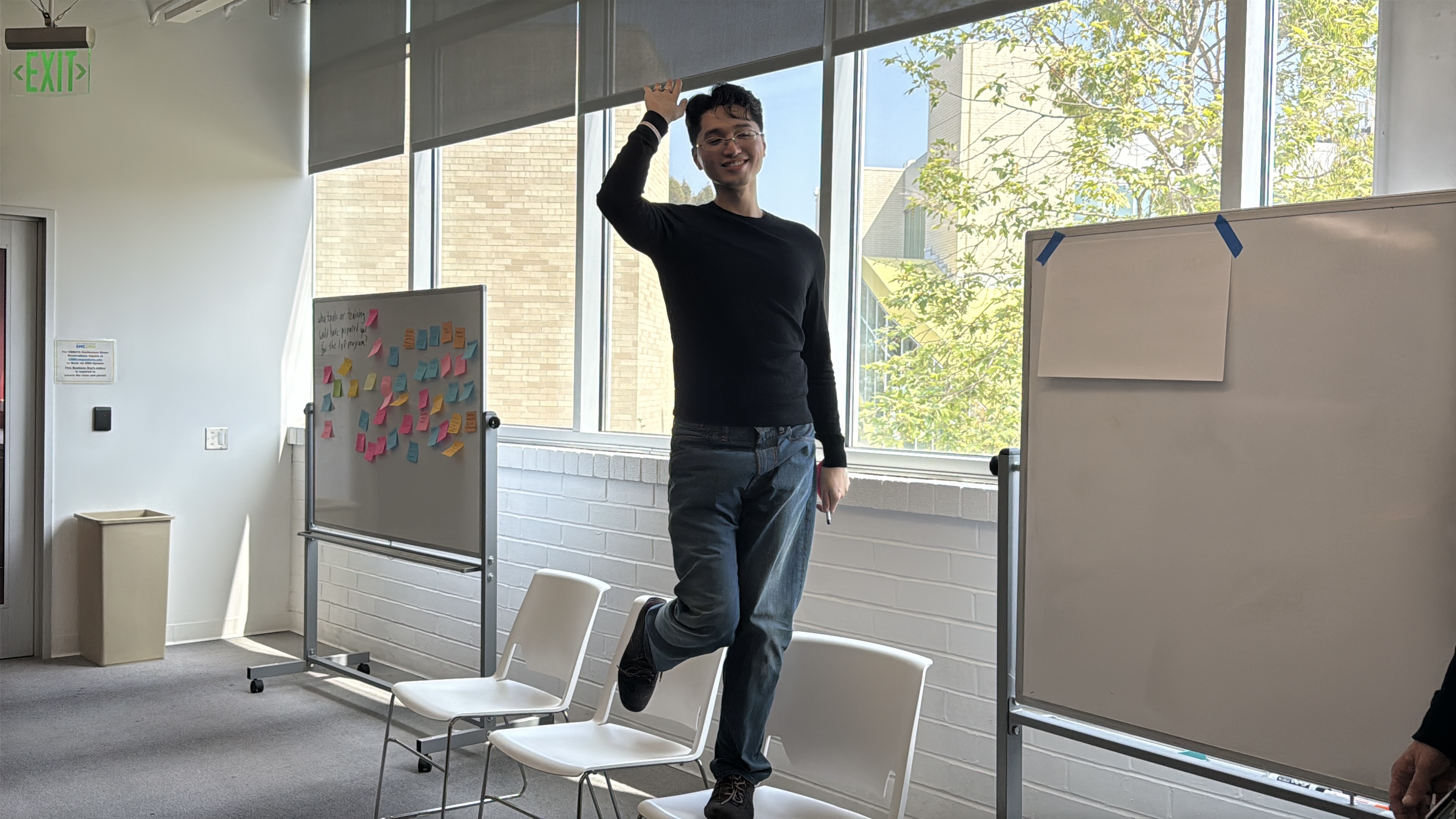
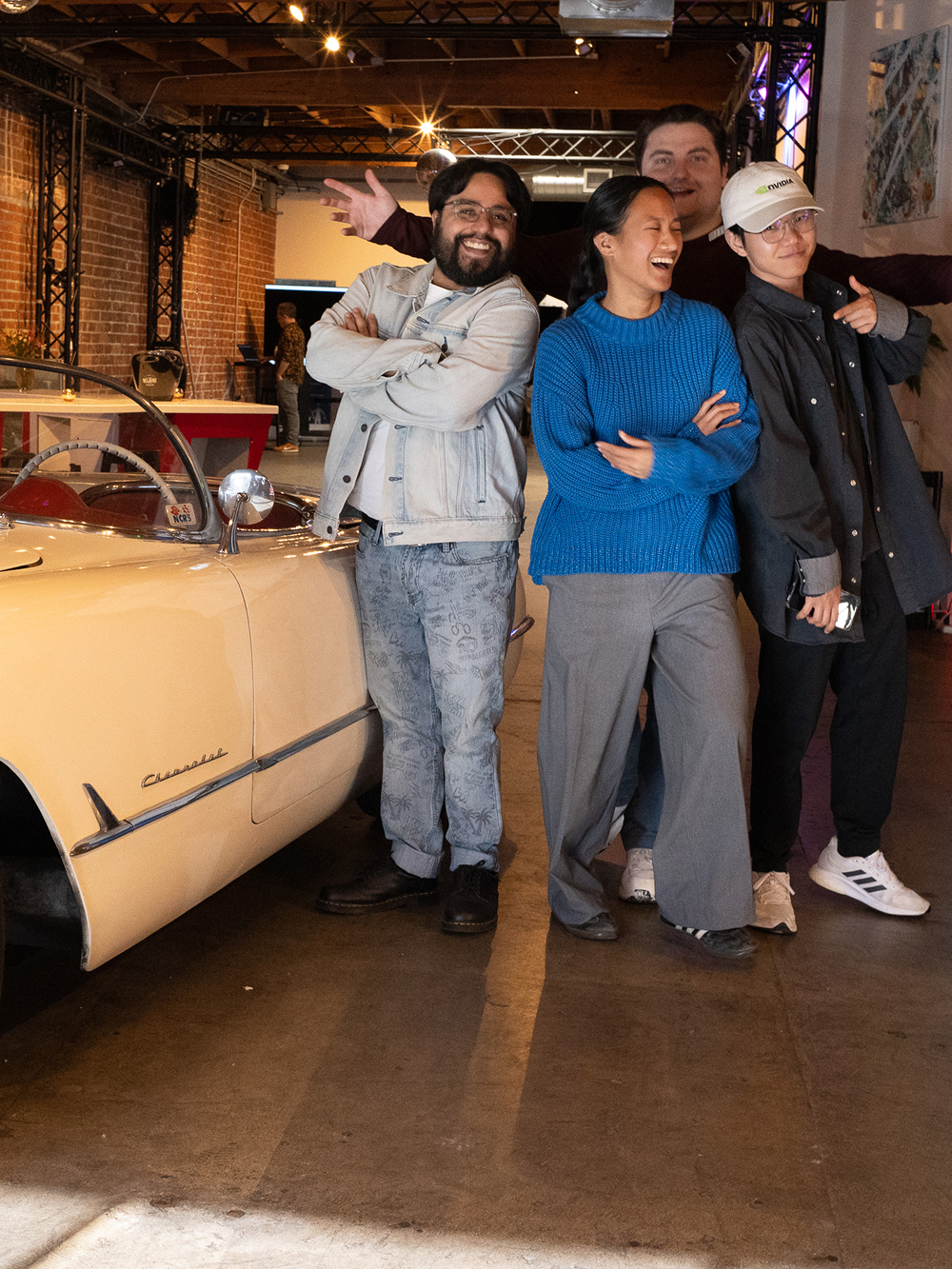
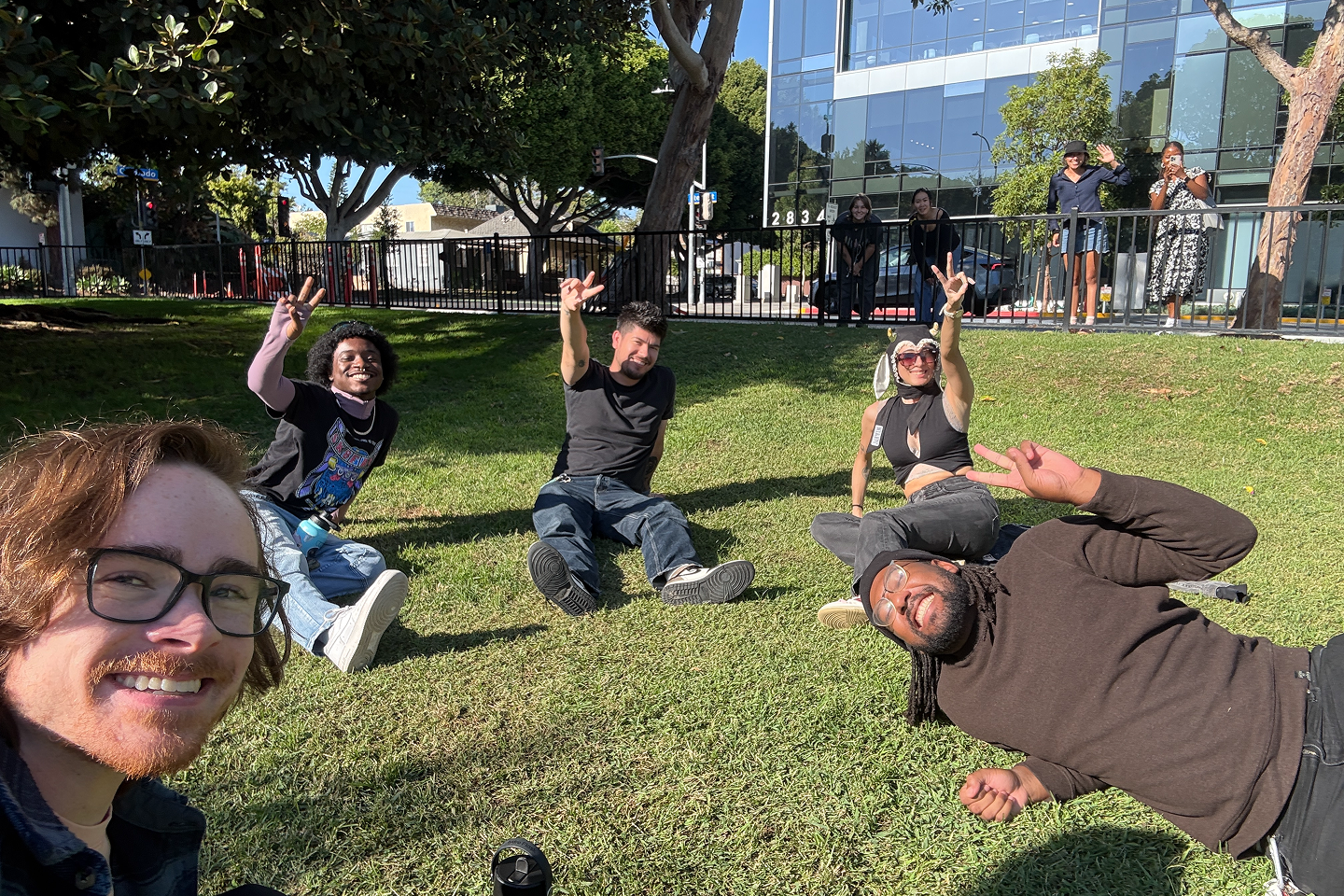
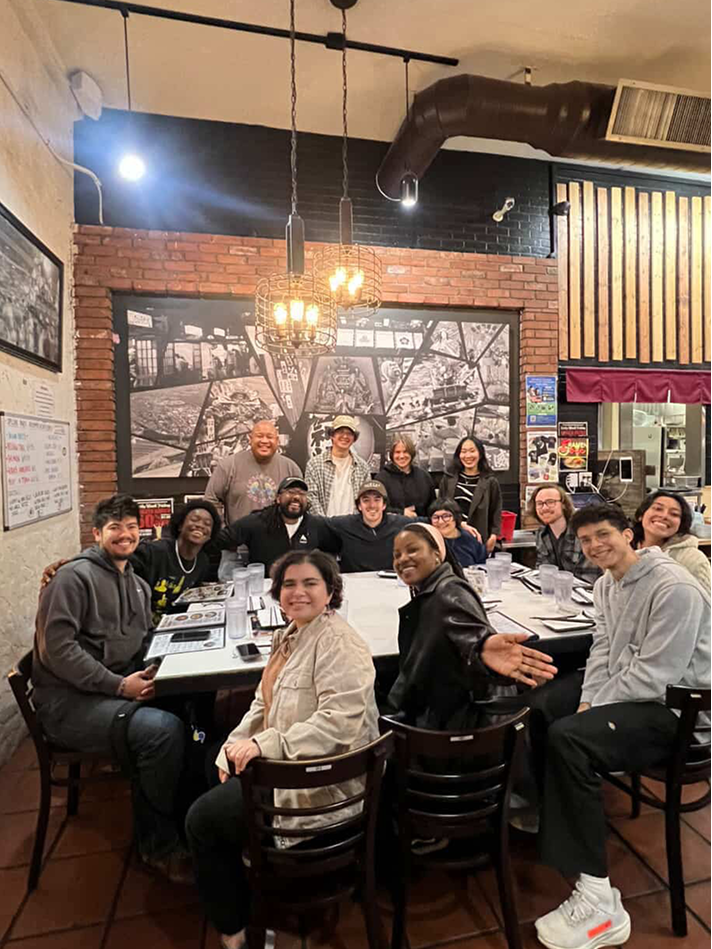
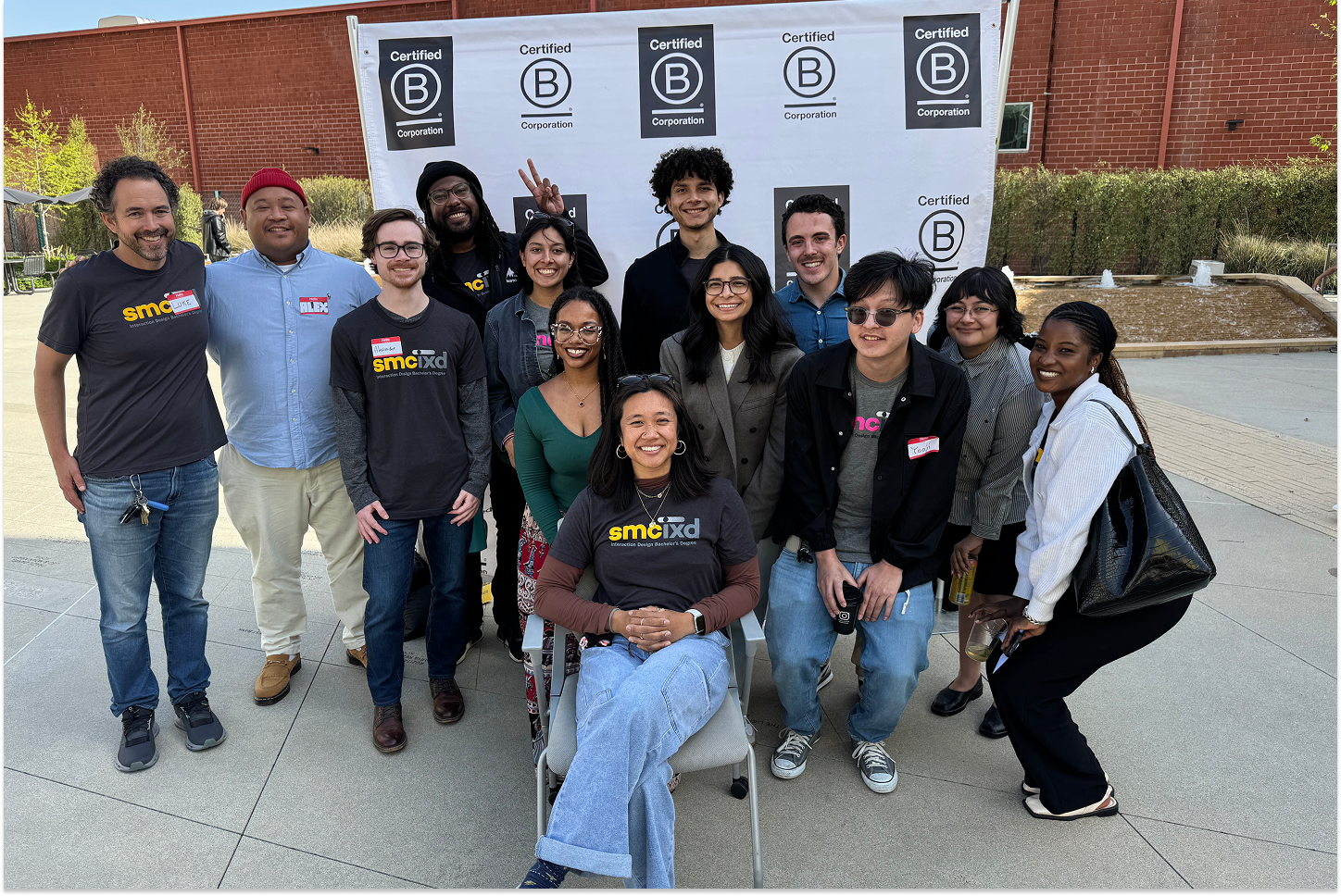
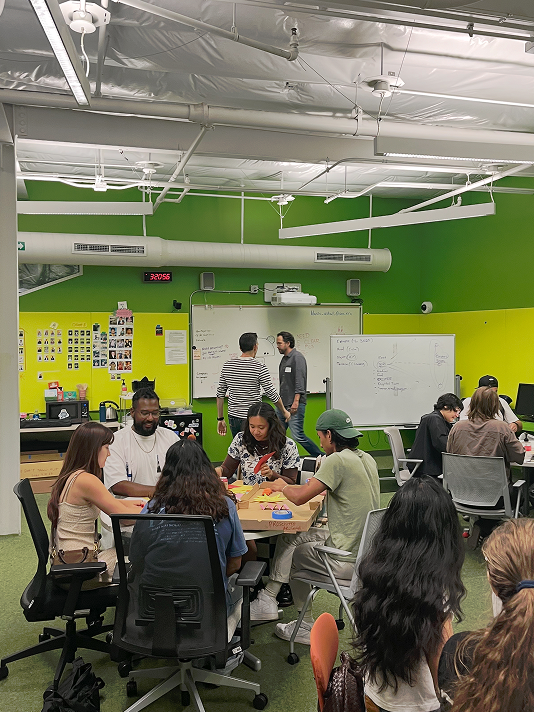
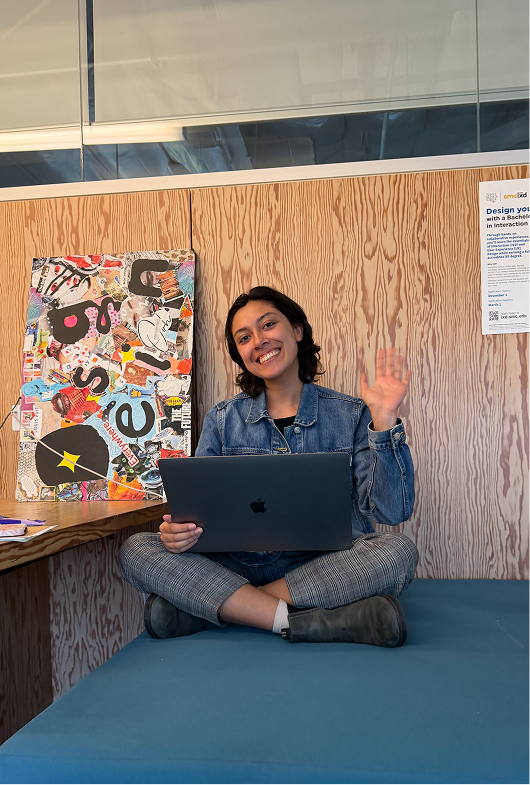
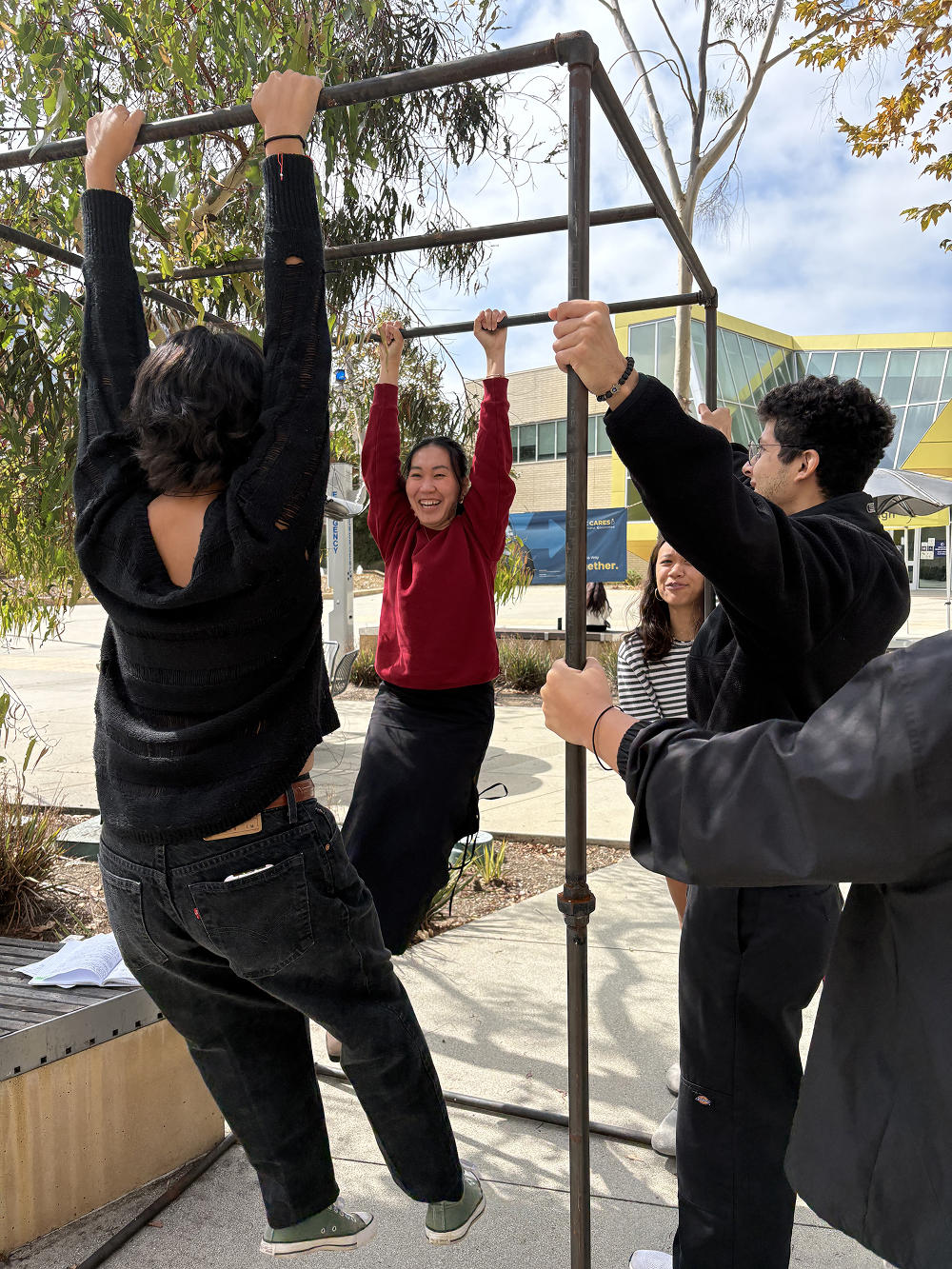
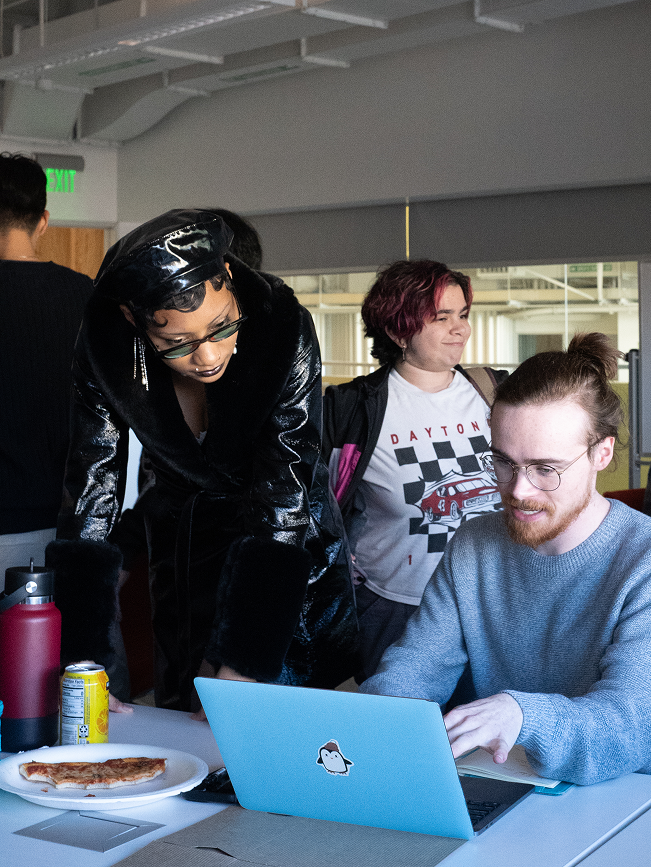
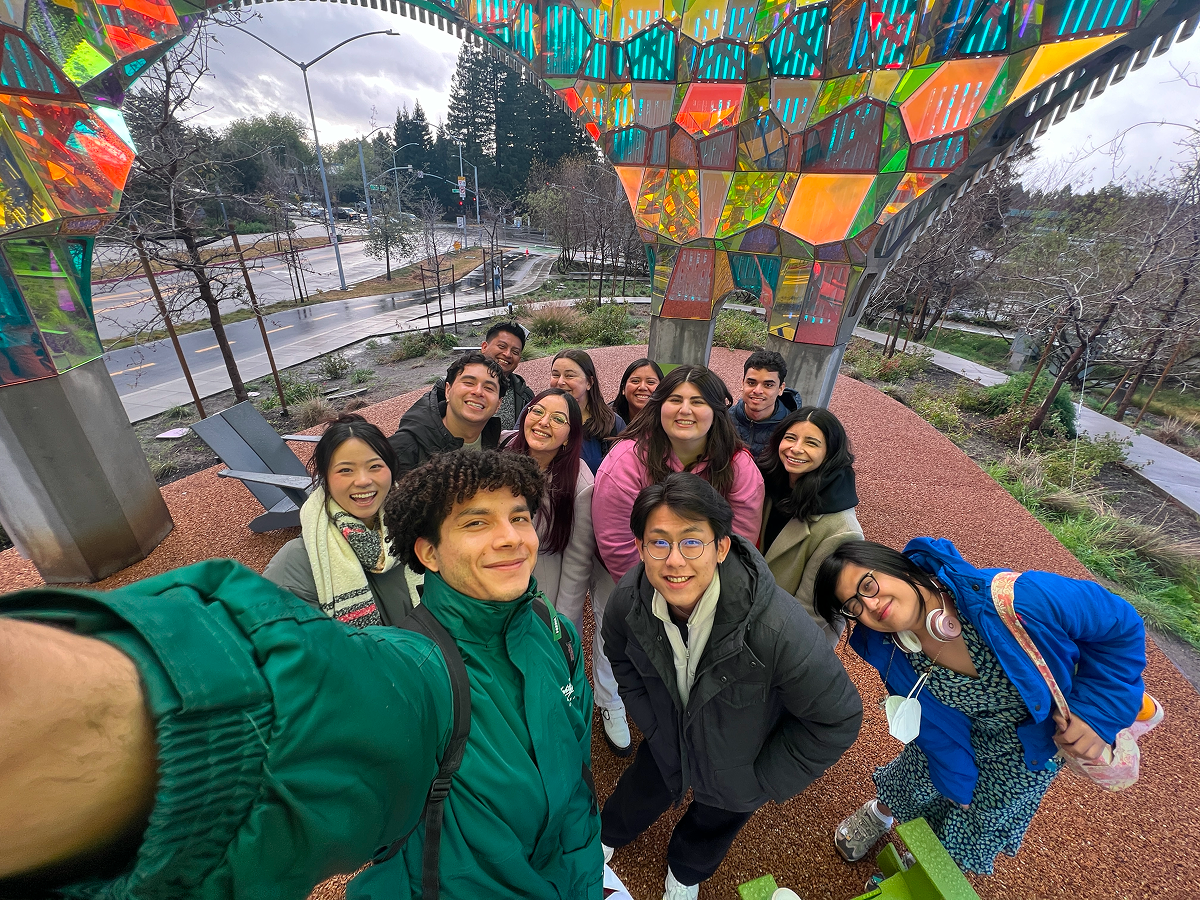
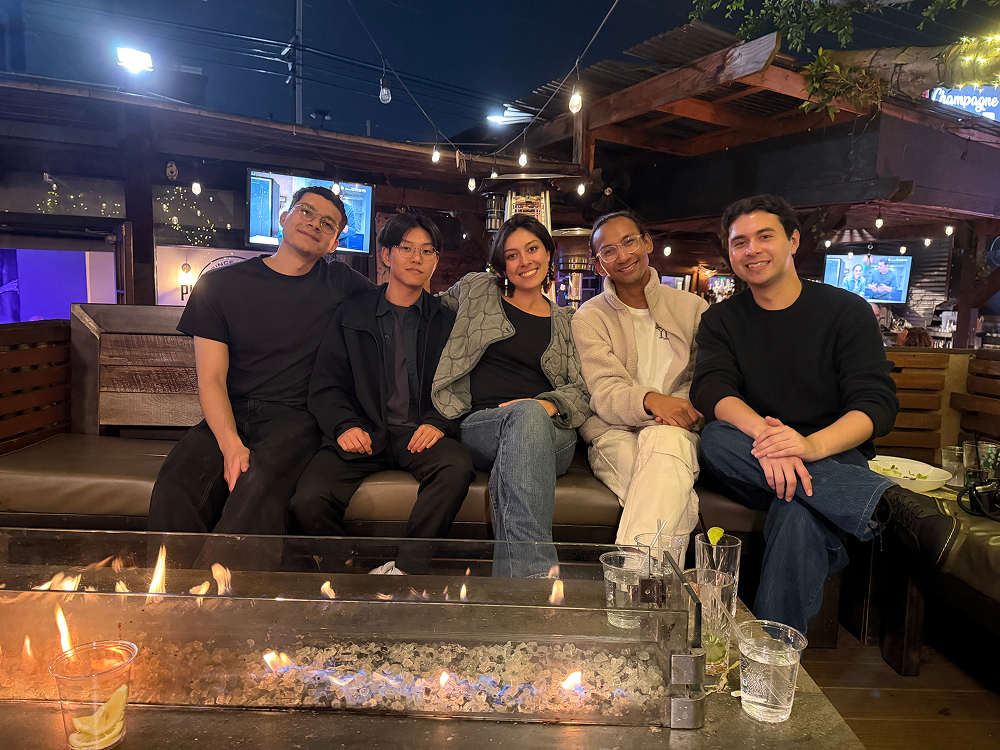
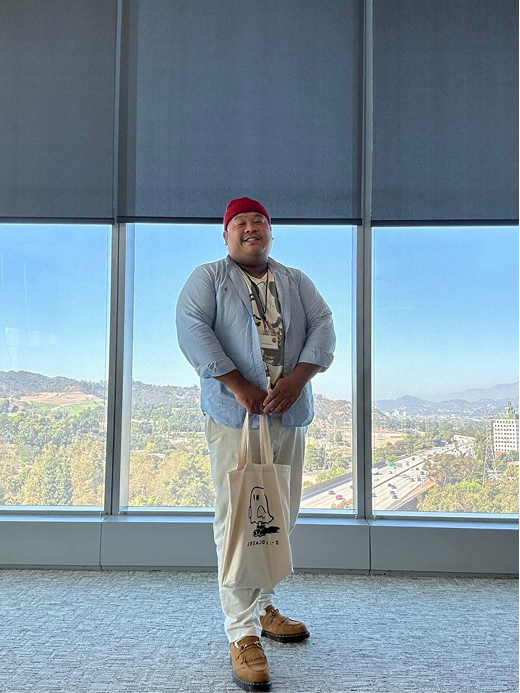
The Interaction Design program is more than a collection of courses, it's a community. We asked graduating seniors to share what IxD has meant to them and how the program has shaped their growth as designers, collaborators, and people.
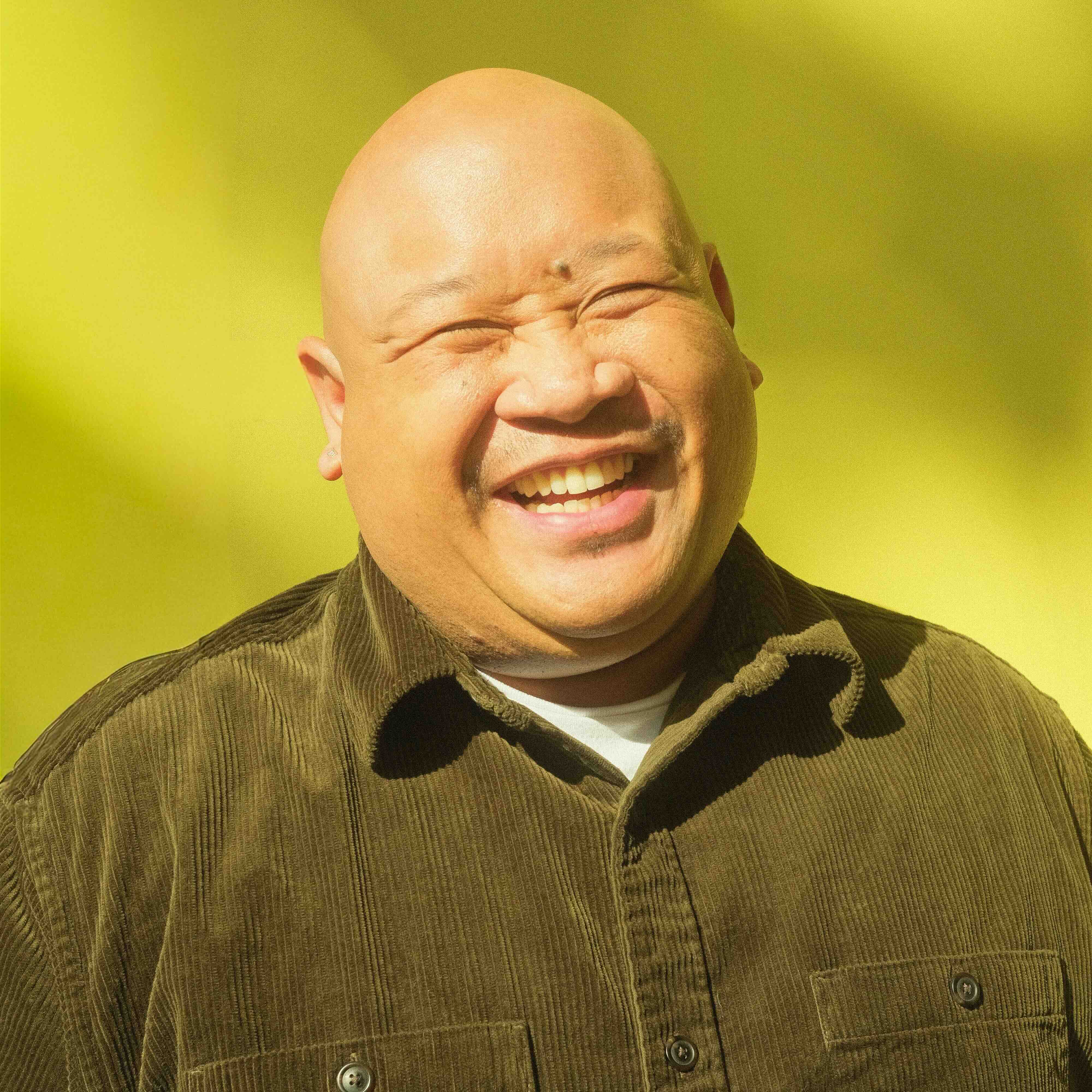

pressure makes diamonds 💎
May 26, 2026 · SMC IXD Cohort 9

The IxD program has provided a safe supportive space to develop and communicate my ideas using new skills and softwares that have expanded my understanding of community engagement and interaction design.
May 28, 2026 · SMC IXD Cohort 9

The IxD program helped me grow so much as a designer. I’ve met amazing people, had professors who pushed me to improve, and made memories with a cohort I’m really proud of. :)
May 26, 2026 · SMC IXD Cohort 9

The IxD program is truly special because it doesn’t try to define who YOU are as a creative. IxD provides space and guidance to figure out what you truly love.
May 26, 2026 · SMC IXD Cohort 9
Confidence is overrated; courage is invaluable. From submitting my IxD application to walking across the stage, I’ve evolved to do the things that scare me.
May 26, 2026 · SMC IXD Cohort 9

Interaction Design taught me that great experiences aren't just usable; they change how people see themselves, their communities, and what's possible.
May 26, 2026 · SMC IXD Cohort 9

From meeting my classmates’ pet turtles, to going to networking events with them and meeting people wearing $4,000 vicuña sweaters — SMC IxD is a place to meet your lifetime friends, and people you might start that company with.
May 26, 2026 · SMC IXD Cohort 9
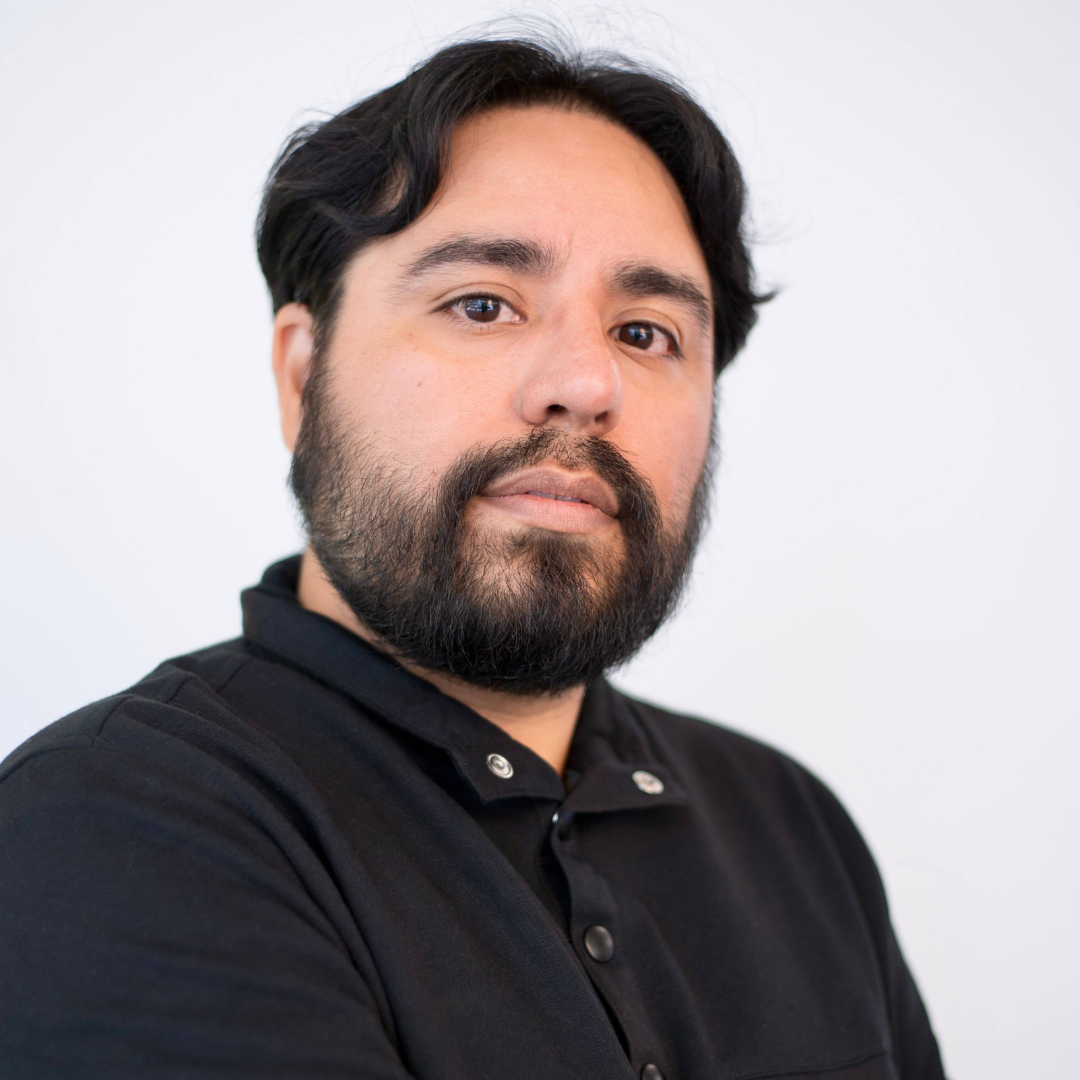
August 21, 2026
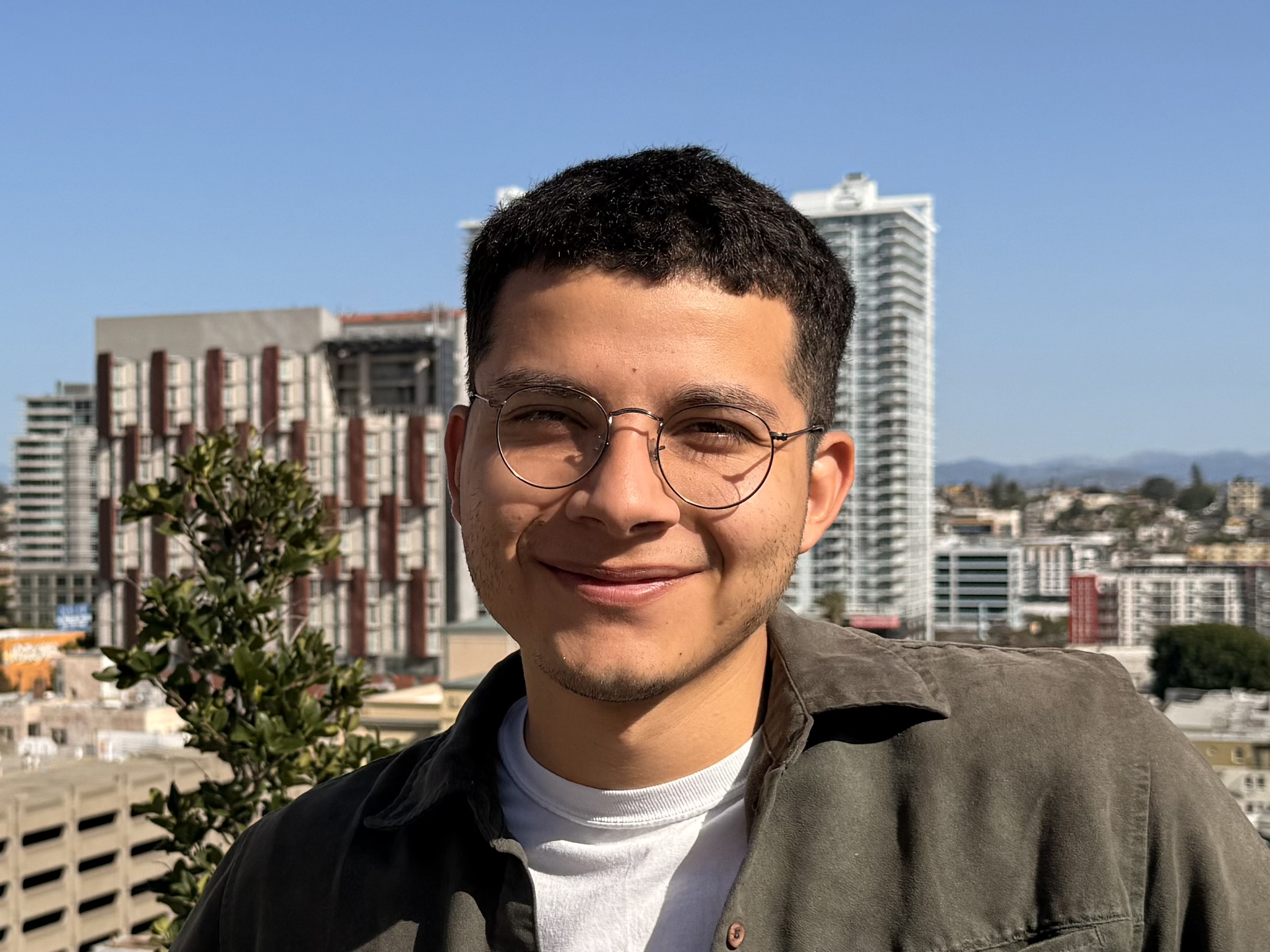
cohort 9 are filled with a bunch of goats, couldn't have asked for a better cohort to go through the ixd program. nothing but love and goo wishes for them
May 19, 2026
The investment we’ve all made pays off in exciting internship and professional opportunities for this next generation of IxD designers. We’re excited to share where they’ve already landed!














From CES to award-winning work, our alumni continue to push the field forward. This year's spotlight celebrates graduates whose recent accomplishments reflect the impact of the IxD community.

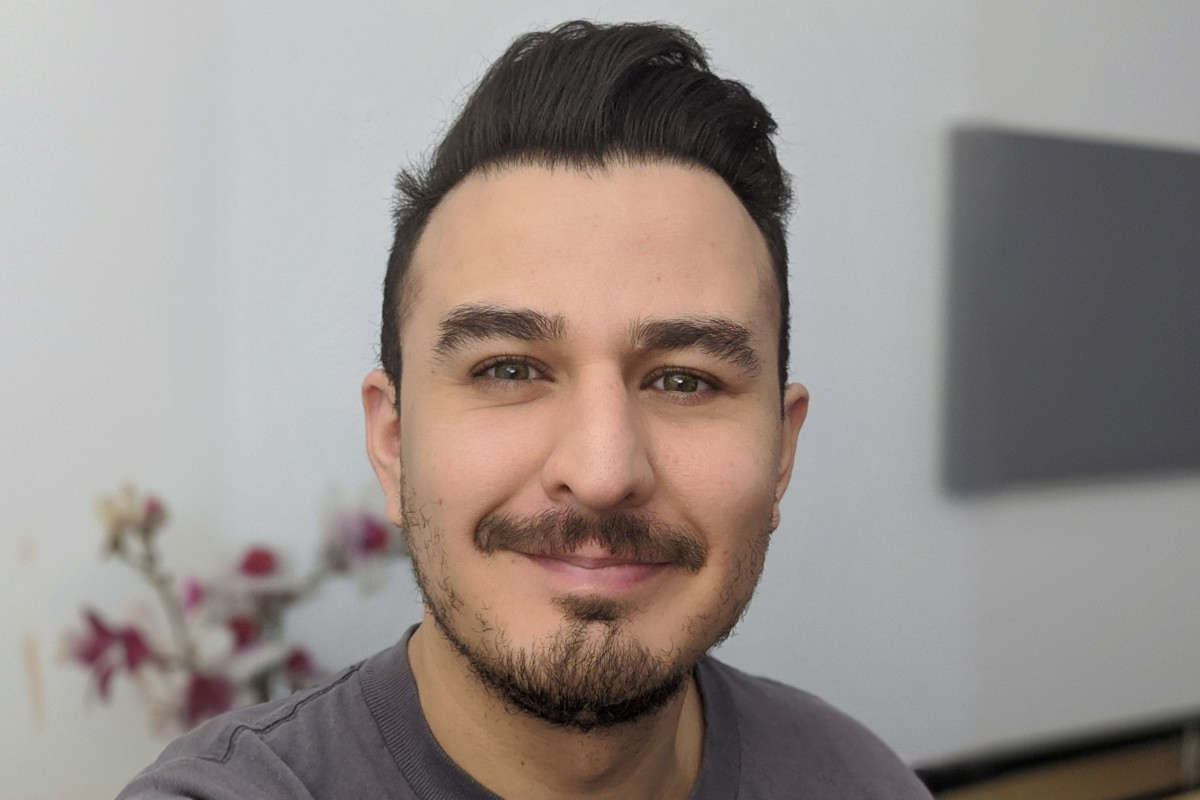

Our alumni work across industries and study at top universities worldwide shaping the field of interaction design. We are so excited to see all the places they’ve gone!




















IxD learning is deeply connected to real-world practice. Our industry partners this year brought insight, challenge, and collaboration into the classroom.














From design and technology to anthropology and psychology, our faculty bring diverse perspectives that help students understand people, systems, and the impact of design.
This year, we're excited to spotlight faculty who helped launch new courses in the IxD curriculum. Drawing from careers in anthropology and media production, they bring a fresh perspective.
.png)